Magic Mushrooms Third Eye and Longevity Claims: What Science Actually Says

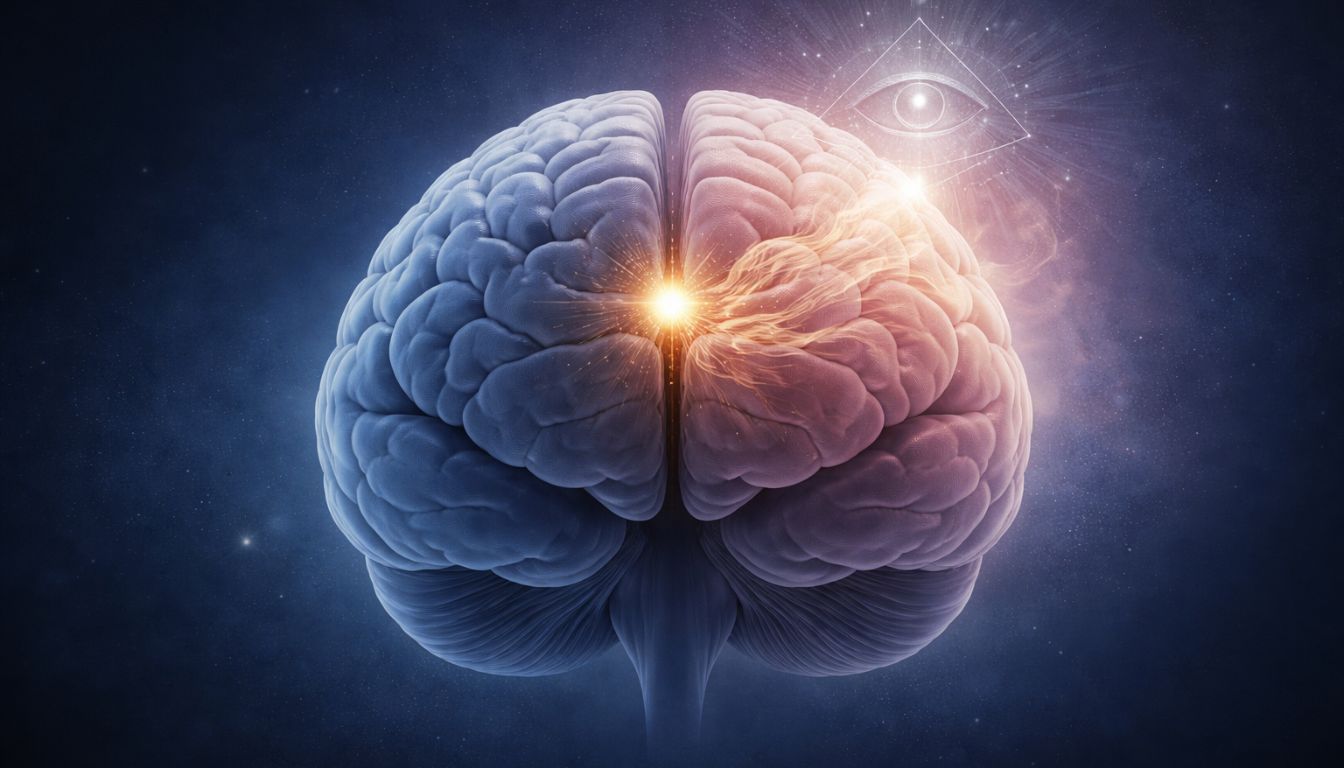
Conceptual brain illustration showing the pineal gland in relation to Magic Mushrooms Third Eye beliefs and scientific research

Table of Contents

Introduction

 
The human desire for transcendence, deeper understanding, and a longer, healthier life is ancient and profound. In recent years, powerful concepts like activating a “third eye” for mystical insight or discovering a key to extend life have become increasingly associated with psychedelic substances, particularly psilocybin, the active compound in magic mushrooms. Narratives found in online forums and social media often merge spiritual beliefs with scientific-sounding language, creating a compelling but potentially misleading picture.
 
This article serves as an educational guide to separate these beliefs from the available scientific evidence. Its purpose is not to invalidate the cultural or symbolic meaning that these ideas hold for many, but to establish clear boundaries between what is known through empirical research and what remains in the realm of belief or speculation. 
 
We will examine the origins of claims surrounding the “third eye” and longevity in relation to psilocybin, contrast them with the findings of neuroscience and biology, and promote a framework for critical thinking. Understanding the difference between a metaphor and a mechanism is crucial for scientific literacy, especially in a field as complex and rapidly evolving as psychedelic science.
 

Where the “Third Eye” Idea Comes From

 
The concept of a “third eye,” an inner, mystical organ of perception, is not a modern invention. Its roots are deeply embedded in ancient spiritual and philosophical traditions that predate contemporary neuroscience by millennia. In various Hindu traditions, the third eye, or Ajna chakra, is considered the sixth primary chakra, a center of intuition, foresight, and spiritual consciousness located between the eyebrows. It is often depicted as a lotus with two petals and is seen as the gateway to higher states of awareness and enlightenment.
 
Similarly, in Taoism, the upper dantain is associated with the spirit. Ancient Egyptian spirituality held the Eye of Horus as a symbol of protection and power, which some have linked to the mid-brain. The philosopher René Descartes famously called the pineal gland the “principal seat of the soul.” [1]
 
It is crucial to recognize that these interpretations are symbolic, metaphorical, and philosophical in nature. They were developed through introspection, mythology, and attempts to explain consciousness long before the advent of modern scientific tools for studying the brain. 
 
While these traditions offer rich cultural and symbolic meaning, they were not based on the empirical, evidence-based methodologies that define neuroscience and biology today. The association of these ancient ideas with specific brain structures is a modern reinterpretation, one that often blurs the line between spiritual belief and scientific fact.
 

The Pineal Gland — What Science Actually Knows

 
In contrast to its mystical interpretations, the pineal gland as understood by modern science is a tiny, pea-sized endocrine gland located deep in the center of the brain. Weighing less than 0.2 grams in adults, its primary and well-established function is to regulate the body’s internal clock. [2] [3] It achieves this by synthesizing and secreting the hormone melatonin in a rhythmic cycle that is synchronized with the daily light-dark cycle.
 
This process is a cornerstone of our circadian rhythms, governing the sleep-wake cycle and other vital bodily functions. The synthesis of melatonin is a sophisticated biological process:
 
1.Light Perception: Specialized photoreceptive cells in the retina of the eyes detect the presence or absence of light. This information travels along a neural pathway to a region in the hypothalamus called the suprachiasmatic nucleus (SCN), which acts as the body’s master clock. [4]
 
2.Signal Transmission: In the absence of light (during darkness), the SCN sends signals that ultimately reach the pineal gland, stimulating it to action.
 
3.Melatonin Synthesis: Upon receiving this signal, pinealocytes—the main cells of the pineal gland—begin to convert the neurotransmitter serotonin into melatonin. This production increases throughout the night, peaks in the middle of the night, and then falls as morning approaches. [4]
 
4.Circadian Regulation: The released melatonin circulates through the body, signaling that it is nighttime and promoting sleep.
 
From an endocrinological and neuroscientific perspective, the pineal gland is a critical regulator of our biological rhythms, tied to environmental light, not mystical perception. Scientific research has firmly established its role in melatonin production and circadian regulation. Crucially, there is no scientific evidence to support the claim that the pineal gland functions as a “third eye” or is the seat of the soul. These are philosophical concepts, not biological functions. The gland’s primary role is hormonal, not perceptual.

Pineal Gland Myths and Modern Misinterpretations

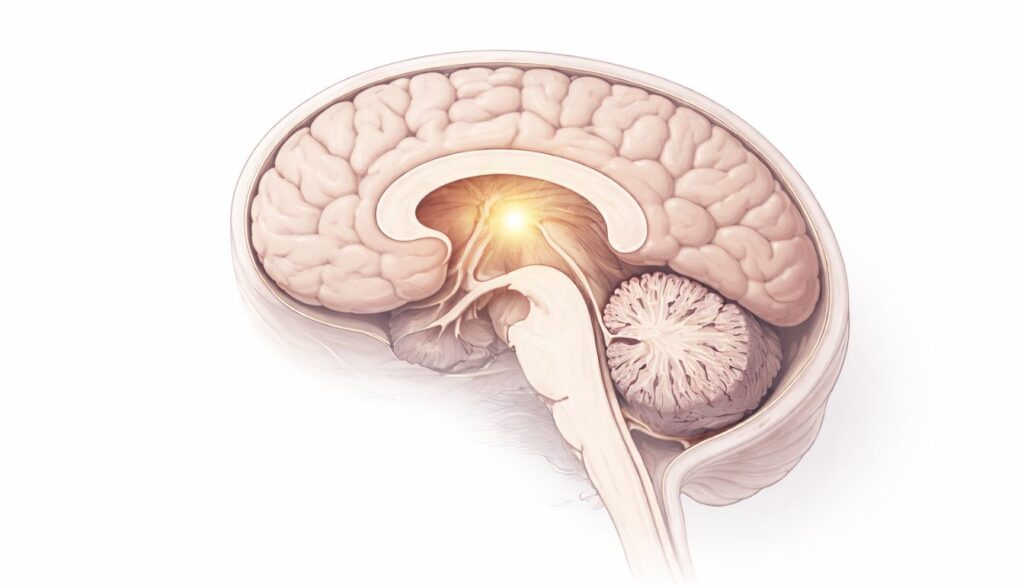
Medical illustration of the pineal gland inside the brain often linked to Magic Mushrooms Third Eye activation myths
The pineal gland regulates melatonin and circadian rhythms — not Magic Mushrooms Third Eye activation.
The scientific understanding of the pineal gland stands in stark contrast to a variety of popular myths and misinterpretations that have gained traction in wellness and spiritual communities. These modern claims often repurpose scientific terminology to lend credibility to concepts that lack empirical support.
 
One of the most common claims is the idea of “activating” the pineal gland to unlock mystical perception or a “third eye.” This language of activation is misleading. From a biological standpoint, the pineal gland is already active; it rhythmically produces and secretes melatonin every night. The notion of a dormant gland waiting to be awakened for spiritual purposes has no basis in neuroscience. The gland’s activity is regulated by the circadian system in response to light, not by intention, diet, or mystical practices.
 
Another prevalent myth revolves around the “calcification” of the pineal gland. The pineal gland can accumulate calcium deposits with age, a process observable on X-rays or MRI scans. [5] However, this physiological process is often framed in pseudoscientific narratives as a detrimental blockage caused by toxins, which supposedly “shuts down” the third eye. 
 
Scientific evidence does not support this interpretation. Pineal calcification is a common, age-related phenomenon, and there is no definitive research demonstrating that it universally leads to a loss of melatonin production or is the cause of spiritual malaise. [6] The idea that one must “decalcify” the pineal gland to attain higher consciousness is a modern myth.
 
These misinterpretations arise from a fundamental confusion between symbolic language and biological fact. When ancient traditions spoke of a “third eye,” they were using a powerful metaphor for a state of inner knowing and intuition. Modern myths take this metaphor literally, attempting to map it directly onto a physical organ. 
 
This conflation is a category error, akin to searching for the physical location of love in the heart muscle. While the heart is symbolically associated with love, its biological function is to pump blood. Similarly, while the pineal gland is symbolically associated with a third eye, its established biological function is to regulate circadian rhythms.
udible banner featuring neuroscience and brain research audiobooks including The Brain That Changes Itself, Why We Sleep, Behave, Incognito, and Livewired.
Curated neuroscience audiobooks from leading researchers and institutions, available through Audible.

Is There Evidence That Psilocybin Activates a “Third Eye”?

 
A central claim in modern psychedelic mythology is that psilocybin, the active compound in magic mushrooms, “activates” the third eye, often by supposedly causing the pineal gland to produce and release N,N-dimethyltryptamine (DMT), another potent psychedelic. This narrative attempts to create a neurochemical link between psilocybin use and the spiritual concept of a third eye. However, this claim is not supported by scientific evidence.
 
Leading researchers have debunked this myth. A pivotal 2018 review in the Journal of Psychopharmacology by David E. Nichols concludes that there is no credible evidence for this notion. [2] The paper highlights several key points:
 
No Evidence of DMT Secretion: Scientific analysis has not demonstrated that the pineal gland secretes DMT, especially not in response to psilocybin. The primary and established function of the gland is the production of melatonin.
 
Insufficient Quantities: While trace amounts of DMT have been detected in the mammalian brain, they are far too low to produce the profound psychoactive effects attributed to them. The idea that the pineal gland could synthesize and release a psychoactive flood of DMT is biologically implausible given its small size and known functions.
 
Different Mechanisms of Action: The psychoactive effects of psilocybin are well-understood to result from its active metabolite, psilocin, binding to serotonin receptors in the brain—most notably the 5-HT2A receptor. [7] This interaction alters communication patterns between large-scale brain networks, which accounts for its profound effects on perception, cognition, and sense of self. 
 
The mechanism does not require the involvement of the pineal gland or DMT. [Internal link: Magic Mushrooms and the Brain: What Science Actually Shows]
 
In summary, the popular narrative connecting psilocybin, the pineal gland, and DMT is a modern myth. It is a compelling story that weaves together spiritual concepts and neurochemical terms, but it falls apart under scientific scrutiny. 
 
The belief that a psilocybin experience is a DMT experience mediated by the pineal gland is factually incorrect. The profound subjective effects of psilocybin are real, but they are explained by its direct action on the brain’s serotonin system, not by an unsubstantiated chain of events involving a mythical “third eye” activation.
 

Longevity and Cellular Life-Extension Claims

 
Another compelling set of myths links magic mushrooms to longevity and the extension of cellular life. These claims often tap into the legitimate and exciting field of geroscience, the study of the biology of aging, but misrepresent its findings. To critically evaluate these claims, it is essential to first understand what longevity research actually investigates.
 
Modern longevity science focuses on the underlying molecular and cellular mechanisms of aging. Key areas of study include:
 
Cellular Senescence: This is a process where cells lose the ability to divide. While it plays a role in preventing cancer, the accumulation of senescent cells over time is considered a hallmark of aging and contributes to age-related diseases. [8]
 
Telomeres: These are protective caps at the ends of our chromosomes that safeguard our genetic data. With each cell division, telomeres become slightly shorter. Eventually, they become so short that the cell can no longer divide safely and enters a senescent state. Telomere length is thus widely considered a biomarker of biological age, though the relationship is complex and not always linear. [9] [10]
 
Metabolic and Genetic Factors: Research has shown that our genetic makeup and metabolic processes play a significant role in how we age. Genes can influence lifespan, and metabolic pathways related to nutrient sensing are central targets for interventions aimed at slowing the aging process. [11] [12]
 
Longevity research is a rigorous field that relies on controlled experiments, often in model organisms, before cautiously exploring potential applications in humans. It is important to distinguish between findings in animal studies and confirmed effects in humans, as the translation is often not direct.
 
Claims that psilocybin can “extend cell life” or promote “cellular regeneration” frequently arise from a misunderstanding of neuroplasticity. Research has indeed shown that psychedelics can promote structural and functional neural plasticity, meaning they can help the brain form new connections and reorganize itself. [13] [Internal link: Neuroplasticity Explained]. 
 
This is a significant finding, particularly for its potential therapeutic applications in conditions like depression. However, neuroplasticity is not the same as reversing the fundamental biological aging of cells. 
 
Promoting new synaptic connections in the brain does not stop or reverse the shortening of telomeres in somatic cells throughout the body, nor does it grant them immortality. The term “regeneration” in this context is often used metaphorically to describe cognitive flexibility, not literal cellular rejuvenation.
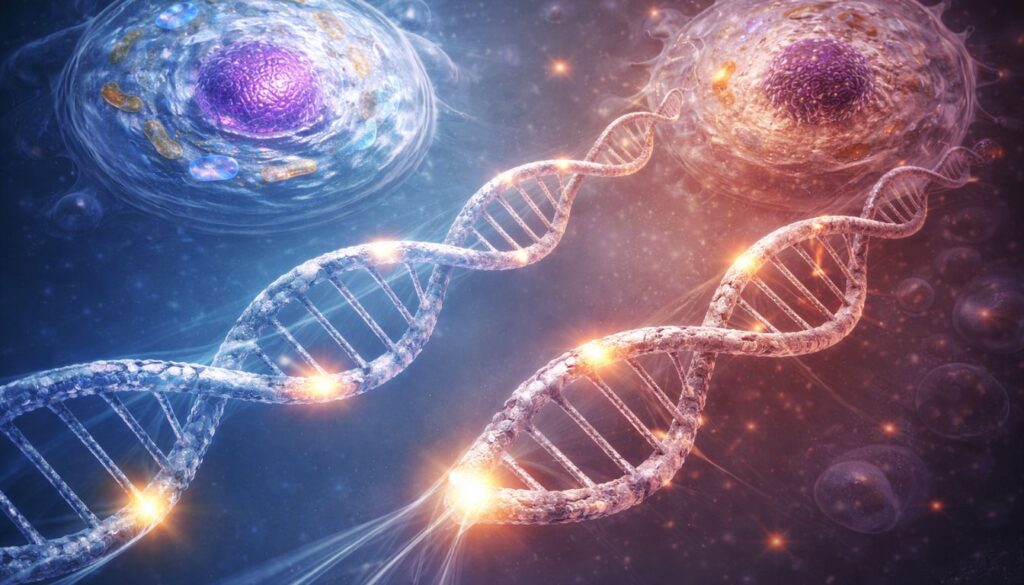
Scientific illustration of cellular aging and telomere shortening often associated with Magic Mushrooms Third Eye longevity claims

What Science Does Not Show

 
To maintain scientific clarity, it is crucial to state what the evidence does not show. There is no credible scientific evidence that psilocybin can extend human lifespan or reverse biological aging.
 
Specifically, the body of scientific literature does not contain evidence for:
 
Life-Span Extension: There are no clinical trials or longitudinal studies in humans that demonstrate an increase in maximum lifespan from psilocybin use.
 
Cellular Immortality: The concept of making cells immortal is the domain of science fiction. Psilocybin does not stop or reverse the process of cellular senescence, which is a fundamental aspect of aging.
 
Reversal of Biological Aging: While psilocybin can promote neuroplasticity, this should not be confused with reversing biological age. It does not lengthen telomeres, repair all accumulated cellular damage, or reset the epigenetic clock that tracks aging.
 
It is vital to distinguish between three different types of language often used in these discussions:
 
1.Scientific Findings: These are conclusions drawn from rigorous, peer-reviewed research, such as the finding that psilocybin interacts with 5-HT2A receptors and can promote neuroplasticity. [7] [13]
 
2.Hypotheses: These are educated guesses or proposals that have yet to be proven. For example, a scientist might hypothesize that reducing inflammation via a certain pathway could slow aspects of aging, but this requires extensive testing.
 
3.Marketing Language: This includes exaggerated or unsupported claims used to promote a product, service, or ideology. Phrases like “reverse aging” or “unlock cellular immortality” often fall into this category, using scientific-sounding terms to make promises that are not backed by evidence.
 
Currently, claims that magic mushrooms extend life or cell life belong firmly in the realm of hypothesis or marketing language, not established scientific findings.
 

Why These Myths Persist

 
The persistence of these myths can be attributed to a confluence of powerful psychological and social factors. These narratives are compelling not because they are factually accurate, but because they resonate with deep-human needs and are amplified by the modern information ecosystem.
 
The Power of Symbolism and Narrative: Humans are storytelling creatures. The idea of a hidden “third eye” that can be awakened is a powerful narrative that speaks to our desire for hidden knowledge and spiritual evolution. Similarly, the quest for immortality is one of the oldest stories in human culture. These myths provide a sense of meaning, purpose, and control over the mysteries of consciousness and death. They are more emotionally satisfying than the complex and often incremental findings of science.
 
Media Oversimplification: Science journalism and popular media often simplify complex scientific topics to make them more accessible. In the process, nuance can be lost. A finding about “neuroplasticity” can be easily sensationalized into a headline about “brain regeneration.” This oversimplification can inadvertently fuel misunderstanding and provide raw material for myth-making.
 
Online Amplification and Echo Chambers: The internet allows for the rapid spread of information, both accurate and inaccurate. Online communities and social media algorithms can create echo chambers where pseudoscientific ideas are shared, reinforced, and amplified without critical evaluation. In these spaces, personal anecdotes and speculative claims are often given the same or even greater weight than peer-reviewed scientific research, and dissenting, evidence-based views may be dismissed or ignored.
 
Incorrect Repurposing of Scientific Terms: A key reason these myths seem plausible is their use of scientific vocabulary. Terms like “quantum,” “energy,” “vibration,” “neurotransmitter,” and “activation” are often stripped of their precise scientific meanings and used as vague, impressive-sounding buzzwords. 
 
This co-opting of scientific language creates a veneer of credibility that can be difficult for a non-expert to penetrate. For example, a discussion of the pineal gland’s role in circadian rhythms might be twisted into a claim about its attunement to cosmic “frequencies.” [Internal link: Hallucinations and Perception Explained]
 

The Importance of Scientific Literacy in Psychedelic Discussions

 
Navigating the landscape of psychedelic science requires strong scientific literacy to counter growing misinformation. Critically evaluating claims is essential. 
 
This involves questioning the source and evidence, distinguishing between peer-reviewed research and anecdotal reports. [Internal link: Glossary: Key Terms in Psychedelic Science] Understanding the hierarchy of evidence—where a randomized controlled trial carries more weight than a personal anecdote—is also crucial. 
 
Finally, it’s important to practice healthy skepticism (questioning claims and asking for evidence) rather than dismissal (rejecting ideas without consideration). This approach fosters a culture of curiosity that values evidence over assumption.
1. Do magic mushrooms activate the “third eye”?

There is no scientific evidence that magic mushrooms activate a literal “third eye.” The concept comes from spiritual traditions and symbolism. Psilocybin works by interacting with serotonin receptors in the brain, particularly the 5-HT2A receptor.

The pineal gland is a small endocrine gland that regulates melatonin and circadian rhythms. While some spiritual traditions symbolically associate it with a “third eye,” neuroscience does not support this interpretation.

There is no credible scientific evidence showing that psilocybin directly stimulates or “activates” the pineal gland in a mystical or perceptual way.

Trace amounts of DMT have been detected in mammals, but there is no strong evidence that the pineal gland releases psychoactive amounts of DMT in humans.

No. Scientific research does not support the claim that psilocybin triggers DMT release from the pineal gland.

Psilocybin alters communication between brain networks, especially the Default Mode Network (DMN), which can produce profound changes in perception, sense of self, and cognition.

There is currently no scientific evidence that psilocybin extends human lifespan.

No credible research shows that psilocybin reverses telomere shortening, cellular senescence, or biological aging processes.

Neuroplasticity refers to the brain’s ability to form new connections. Psilocybin has been shown in research to promote structural and functional neural plasticity, but this is not the same as reversing aging.

Science shows that the pineal gland regulates melatonin production and circadian rhythms. It is not a sensory organ or mystical perception center.

Pineal calcification is a common age-related process where calcium deposits accumulate in the gland. It does not prove spiritual blockage or “third eye shutdown.”

Longevity claims appeal to universal human desires for health and extended life. These narratives often combine scientific terminology with symbolic beliefs.

There is currently no strong evidence showing that psilocybin lengthens telomeres or slows telomere shortening in humans.

Mystical interpretations are philosophical or spiritual frameworks. Scientific explanations focus on measurable biological mechanisms such as receptor binding and neural network modulation.

Readers should:

  • Check for peer-reviewed sources

  • Distinguish symbolic language from biological mechanisms

  • Be cautious of exaggerated longevity claims

  • Look for controlled human studies rather than anecdotes

The Importance of Scientific Literacy in Psychedelic Discussions

 
Navigating the landscape of psychedelic science requires strong scientific literacy to counter growing misinformation. Critically evaluating claims is essential. This involves questioning the source and evidence, distinguishing between peer-reviewed research and anecdotal reports.
[Internal link: Glossary: Key Terms in Psychedelic Science] 
 
Understanding the hierarchy of evidence—where a randomized controlled trial carries more weight than a personal anecdote—is also crucial. Finally, it’s important to practice healthy skepticism (questioning claims and asking for evidence) rather than dismissal (rejecting ideas without consideration). This approach fosters a culture of curiosity that values evidence over assumption.
 

Summary — Respecting Belief Without Confusing It With Evidence

 
In summary, the popular narratives that link magic mushrooms to the activation of a mystical “third eye” or to dramatic life extension are not supported by the current body of scientific evidence. These ideas are powerful and appealing, but they represent a confusion between symbolic, spiritual beliefs and the empirical findings of biology and neuroscience.
 
Science provides a clear, albeit more modest, picture:
 
What Science Supports: The pineal gland is a crucial endocrine organ responsible for producing melatonin and regulating our circadian rhythms. Psilocybin exerts its profound effects by binding to serotonin receptors and altering brain network dynamics, a process that can promote neuroplasticity.
 
What Remains Unproven: There is no credible scientific evidence that the pineal gland secretes DMT, that psilocybin “activates” it, or that magic mushrooms can reverse the fundamental processes of cellular aging to extend lifespan.
 
Establishing and maintaining a clear boundary between belief and evidence is not an act of dismissal but one of clarity and intellectual rigor. It allows us to respect the rich history of human spiritual traditions without misrepresenting the findings of science. 
 
As research into psychedelics continues to advance, it is more important than ever to ground our understanding in scientific literacy, to evaluate claims critically, and to prioritize evidence over assumption. This approach ensures a responsible and productive conversation about both the potential and the limitations of these powerful compounds.
 

Sources & Further Reading

 
1.Arendt, J., & Aulinas, A. (2022). Physiology of the Pineal Gland and Melatonin. In Endotext. MDText.com, Inc. Retrieved from
 
2.Nichols, D. E. (2018 ). N,N-dimethyltryptamine and the pineal gland: Separating fact from myth. Journal of Psychopharmacology, 32(1), 30–36.
 
3.Ilahi, S., Beri, A., & Ilahi, T. B. (2023 ). Physiology, Pineal Gland. In StatPearls. StatPearls Publishing. Retrieved from
 
4.Borjigin, J., Li, X., & Snyder, S. H. (2011 ). The circadian regulation of pineal gland rhythmicity. Molecular and Cellular Endocrinology, 349(1), 13-19.
 
5.Tan, D. X., Xu, B., Zhou, X., & Reiter, R. J. (2018 ). Pineal Calcification, Melatonin Production, Aging, Associated Health Consequences and Rejuvenation of the Pineal Gland. Molecules, 23(2), 301.
 
6.WebMD. (2024, October 15 ). What to Know About Calcification of the Pineal Gland. Retrieved from
 
7.Smausz, R., Deakin, J. F. W., & Harmer, C. J. (2022 ). Neural mechanisms underlying psilocybin’s therapeutic potential. Trends in Pharmacological Sciences, 43(8), 657-660.
 
8.Schellnegger, M., Lin, T., & Linnerth-Petrik, A. (2024 ). Unlocking longevity: the role of telomeres and its targeting strategies in cellular senescence and aging. Cell & Bioscience, 14(1), 49.
 
9.Vaiserman, A., & Krasnienkov, D. (2021 ). Telomere Length as a Marker of Biological Age: State-of-the-Art, Open Issues, and Future Perspectives. Frontiers in Genetics, 11, 630186.
 
10.Johns Hopkins Medicine. (2023, May 4 ). Long Telomeres, the Endcaps on DNA, Not the Fountain of Youth Once Thought; Scientists May Now Know Why. Retrieved from
 
11.Rodríguez-Rodero, S., Fernández-Morera, J. L., Menéndez-Torre, E., & Calvanese, V. (2011 ). Aging genetics and aging. Aging and Disease, 2(3), 186–195.
 
12.Palmer, A. K., & Jensen, M. D. (2022). Metabolic changes in aging humans: current evidence and future directions. Journal of Clinical Investigation, 132(20), e158451.
 
13.Calder, A. E., & Hasler, G. (2023 ). Towards an understanding of psychedelic-induced neuroplasticity. Neuropsychopharmacology, 48(1), 104–112.


⚠️ Educational Disclaimer

This article is for educational and informational purposes only and does not constitute medical, psychological, or spiritual advice. The content is intended to promote scientific literacy and critical thinking. 
 
The cultural, spiritual, or symbolic beliefs discussed are presented for contextual understanding and are not endorsed as scientific evidence.
 
Any discussion of scientific research or biological mechanisms does not imply or endorse the use, benefit, safety, or suitability of any substance. Always consult with a qualified healthcare professional for any health-related concerns.

Share this post :

Facebook
Twitter
LinkedIn
Pinterest
Popular Product