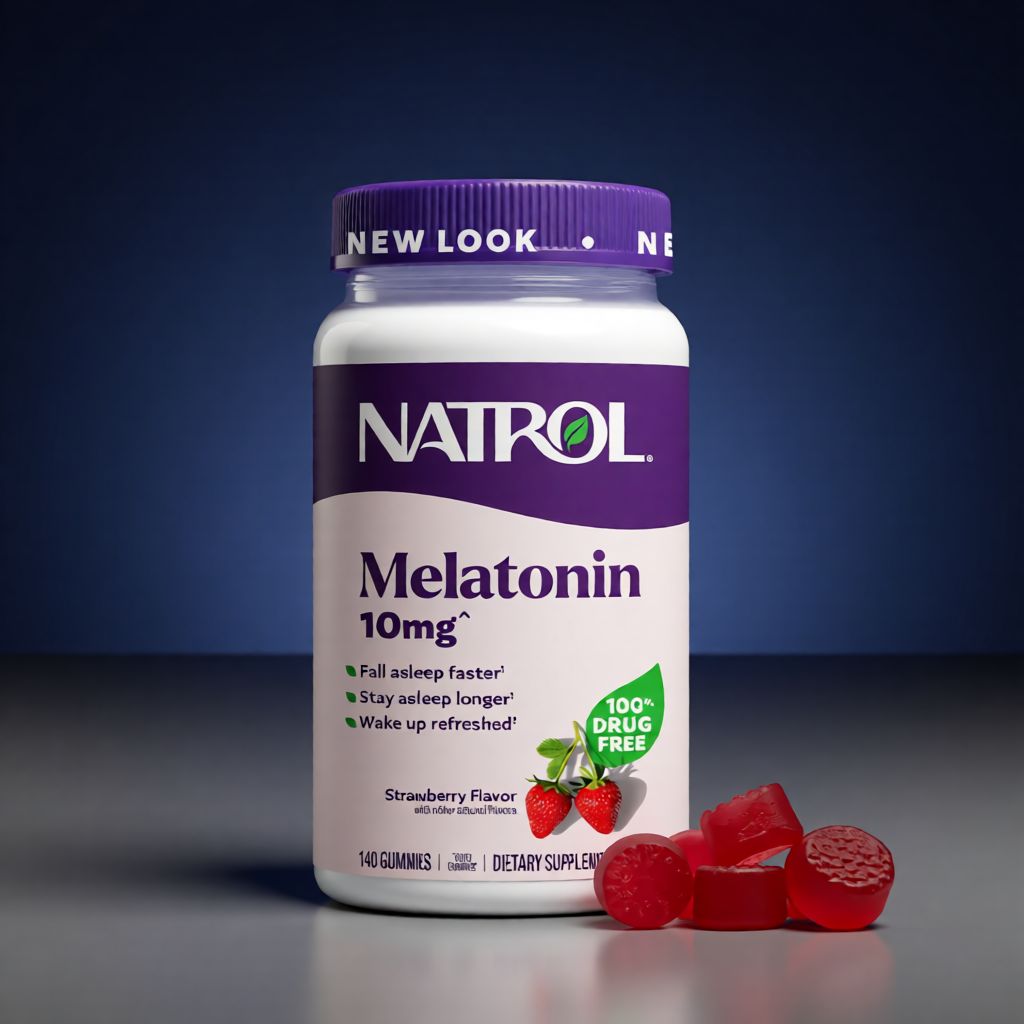
Natrol Melatonin 10mg Strawberry Gummies (140 Count)
Melatonin is a hormone primarily produced by the pineal gland and plays a central role in regulating circadian rhythm — the internal biological clock that governs sleep–wake timing, alertness, and hormonal cycles. In scientific literature, melatonin is frequently examined within the fields of sleep science and chronobiology, particularly in studies exploring light exposure, shift work, and jet lag.
Researchers have investigated how melatonin secretion responds to environmental light cues, especially evening exposure to artificial blue light. Clinical studies also examine its involvement in sleep onset timing and circadian alignment under controlled conditions. These investigations focus on physiological signaling mechanisms rather than commercial claims.
In addition, melatonin has been studied in relation to serotonin pathways and broader neurobiological regulation of sleep architecture. Findings vary depending on research design, population characteristics, and study duration, and long-term outcomes continue to be evaluated in ongoing research.
This product represents a widely available melatonin supplement category frequently referenced in peer-reviewed sleep literature.
View Product on Amazon
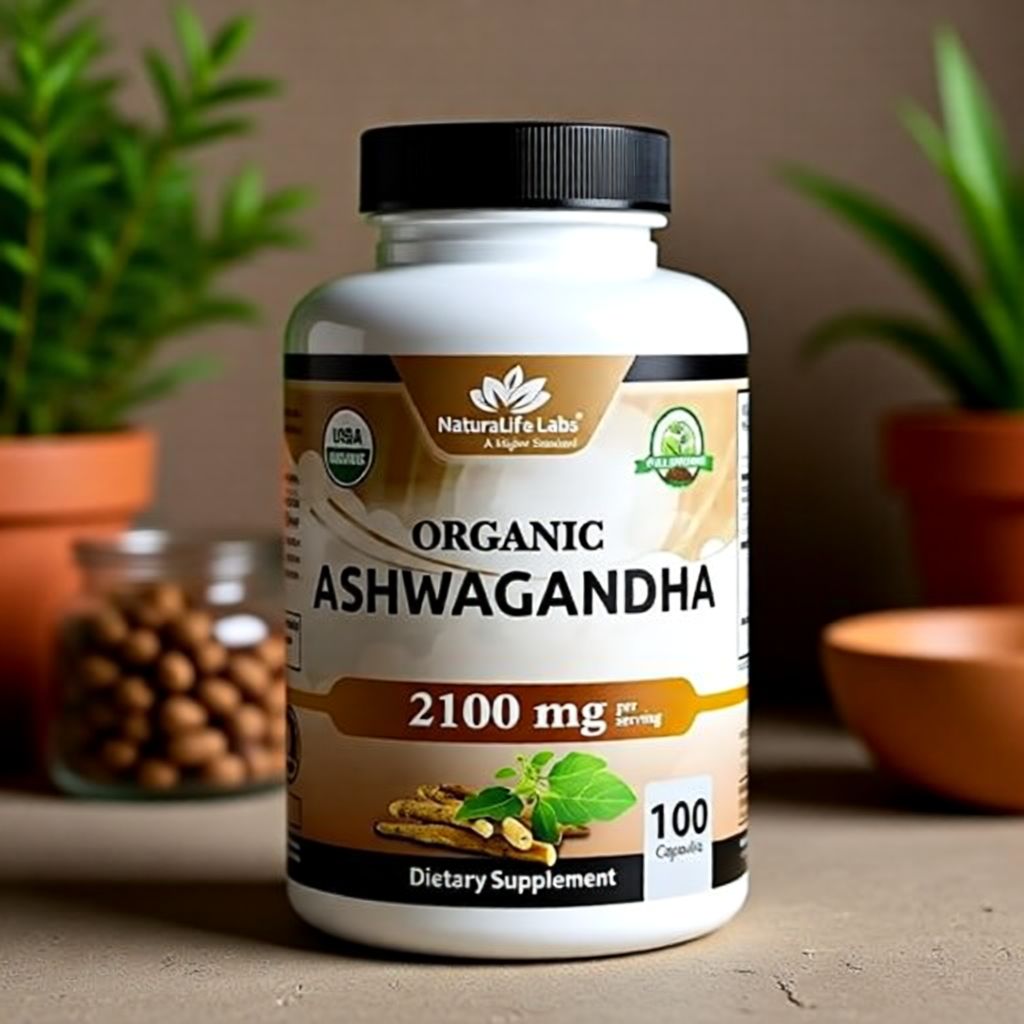
Naturalife Labs Organic Ashwagandha 2100mg (100 Capsules)
Ashwagandha (Withania somnifera) is an herb traditionally used in Ayurvedic systems of medicine and increasingly studied within modern stress physiology research. In scientific literature, ashwagandha is commonly classified as an adaptogenic plant compound, meaning it has been investigated for its interaction with the body’s stress-response systems.
Research in endocrinology and neurobiology has examined ashwagandha in relation to cortisol regulation, autonomic nervous system balance, and markers of perceived stress under controlled conditions. Some studies explore its potential influence on sleep quality, cognitive performance, and fatigue-related outcomes, though findings vary depending on dosage standardization, extract composition, and study duration.
Ashwagandha is also discussed in research examining hypothalamic–pituitary–adrenal (HPA) axis activity — a central regulatory system involved in stress signaling. However, while preliminary findings in human trials have generated scientific interest, broader long-term data remain under investigation.
This product represents a widely available ashwagandha supplement category frequently referenced in peer-reviewed research examining stress physiology and adaptogenic compounds.
View Product on Amazon
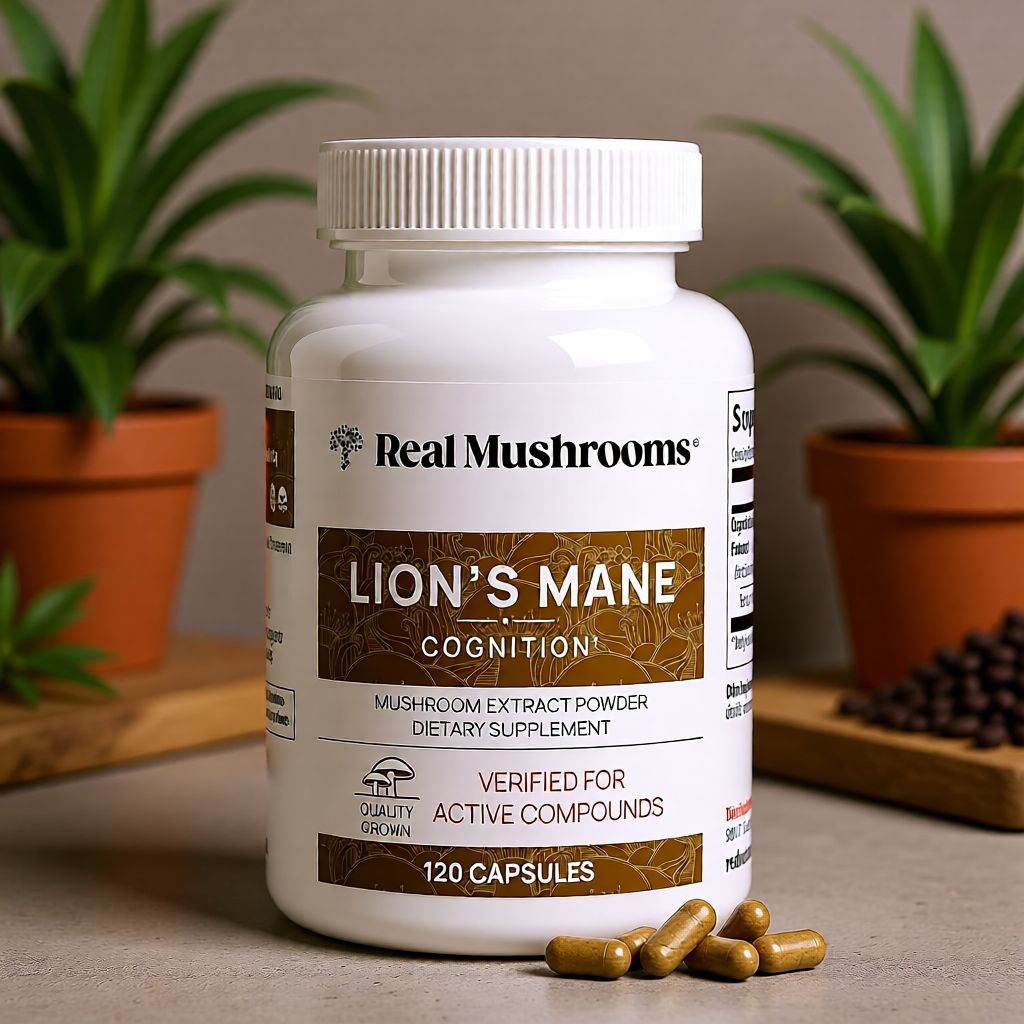
Real Mushrooms Lion’s Mane Extract (120 Capsules)
Lion’s Mane (Hericium erinaceus) is a functional mushroom that has gained attention in neuroscience and neurobiology research. It contains bioactive compounds known as hericenones and erinacines, which have been investigated in laboratory and preclinical studies for their interaction with nerve growth factor (NGF) pathways.
In scientific literature, Lion’s Mane is frequently discussed in the context of neuroplasticity, cognitive aging, and neuronal signaling. Researchers examine its potential influence on synaptic remodeling and brain-derived signaling processes under controlled experimental conditions. While early findings have generated interest, many studies remain preliminary, and outcomes vary depending on extract standardization and study design.
Human trials exploring cognitive measures and mood-related outcomes have been conducted, though sample sizes are often limited and long-term data remain under evaluation. As a result, scientific conclusions continue to evolve as additional research is published.
This product represents a mushroom extract category commonly referenced in peer-reviewed discussions surrounding neurobiology, cognitive research, and functional mushroom compounds.
View Product on Amazon
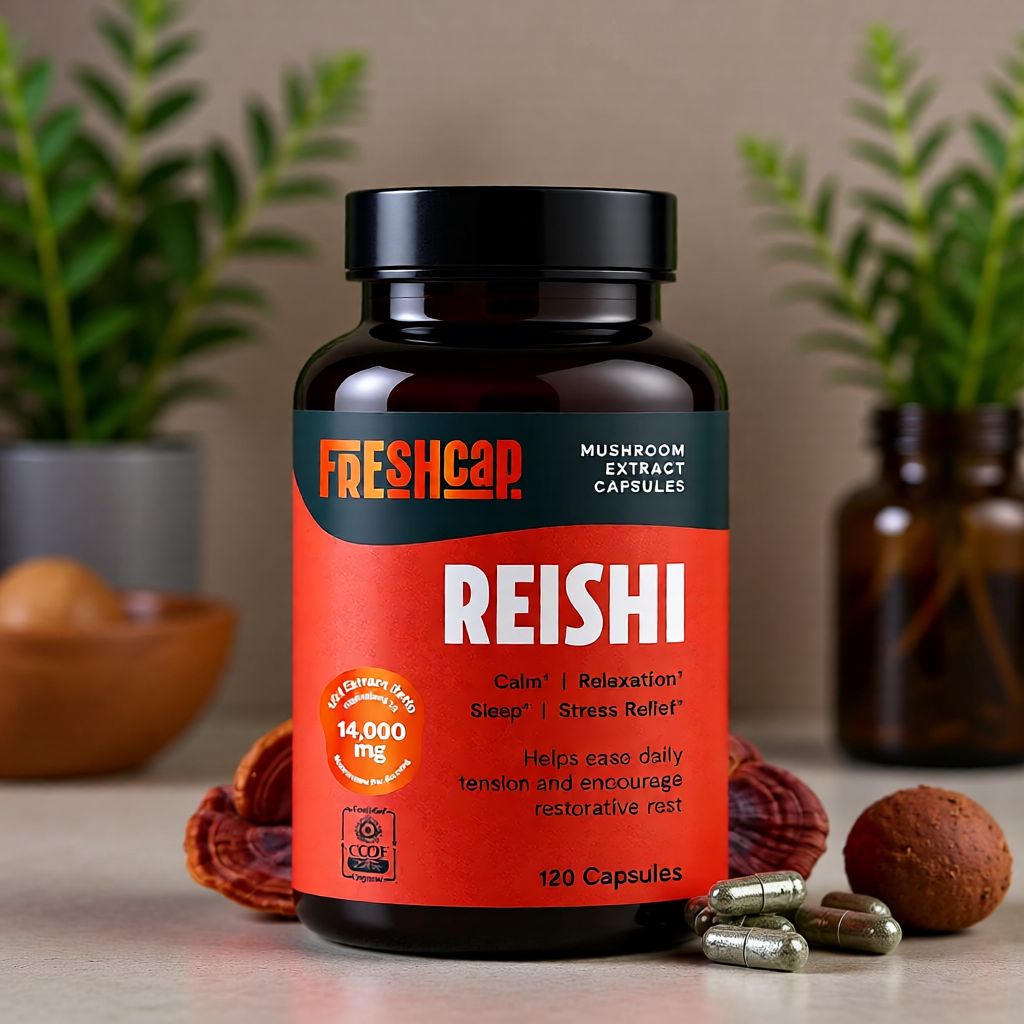
FreshCap Reishi Mushroom Extract (120 Capsules)
Reishi (Ganoderma lucidum) is a medicinal mushroom that has been studied in immunology and stress-related research contexts. In scientific literature, reishi is frequently discussed for its bioactive compounds, including triterpenoids and beta-glucans, which have been examined in laboratory and preclinical studies for their interaction with immune signaling pathways.
Researchers investigate reishi in relation to inflammatory markers, oxidative stress, and autonomic nervous system regulation. Some studies explore its potential influence on stress physiology and sleep-related outcomes under controlled conditions, though findings vary depending on extract composition, dosage standardization, and study design.
Reishi is also examined in broader discussions surrounding adaptogenic compounds and immune modulation. However, while early findings have generated scientific interest, many human trials remain limited in size, and long-term effects continue to be evaluated through ongoing research.
This product represents a reishi mushroom extract category commonly referenced in peer-reviewed discussions related to immune function, stress physiology, and functional mushroom compounds.
View Product on Amazon
Pure Encapsulations Magnesium (Glycinate) – 90 Capsules
Magnesium is an essential mineral involved in hundreds of enzymatic reactions throughout the body. In neuroscience and physiology research, magnesium is frequently discussed in relation to neurotransmitter regulation, muscle function, and cellular energy metabolism. It also plays a role in modulating NMDA receptor activity and supporting normal nervous system signaling.
Magnesium glycinate is a chelated form in which magnesium is bound to the amino acid glycine. This form is often examined in research contexts related to bioavailability and gastrointestinal tolerance, though findings vary depending on study design and population characteristics.
Scientific literature explores magnesium status in relation to sleep regulation, stress response, and neuromuscular balance. Some studies investigate associations between magnesium levels and markers of sleep quality or perceived stress, although broader conclusions require continued research and long-term evaluation.
Magnesium is commonly referenced in discussions of autonomic nervous system function and relaxation physiology. This product represents a magnesium glycinate supplement category frequently referenced in peer-reviewed research related to nervous system function and sleep-related mechanisms.
View Product on Amazon
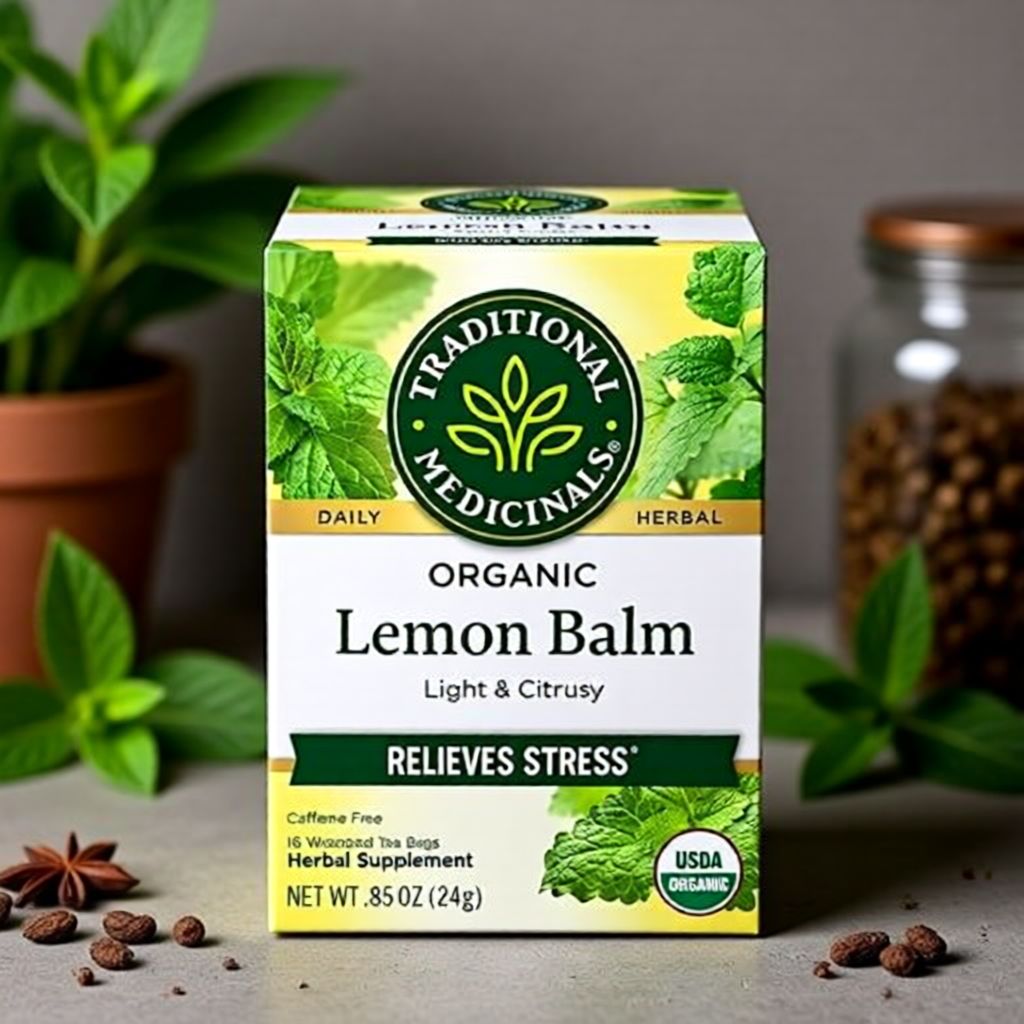
Traditional Medicinals Organic Lemon Balm Tea (16 Tea Bags)
Lemon balm (Melissa officinalis) is an herb traditionally used in European herbal medicine and increasingly studied within modern phytochemistry and stress physiology research. In scientific literature, lemon balm is often examined for its bioactive compounds, including rosmarinic acid and other polyphenols, which are investigated for their interaction with neurotransmitter systems.
Researchers explore lemon balm in relation to gamma-aminobutyric acid (GABA) signaling and autonomic nervous system activity. Some controlled studies examine its role in perceived stress, mood regulation, and sleep-related measures, though outcomes vary depending on preparation methods, dosage forms, and study design.
Lemon balm is also discussed in research focused on digestive function and mild nervous tension. However, while preliminary human trials have generated scientific interest, larger and longer-term studies remain necessary to clarify broader conclusions.
This product represents a lemon balm herbal category frequently referenced in peer-reviewed discussions related to plant-based compounds and stress physiology research.
View Product on Amazon