What are hallucinogenic drugs?

Historical Background
How It Works
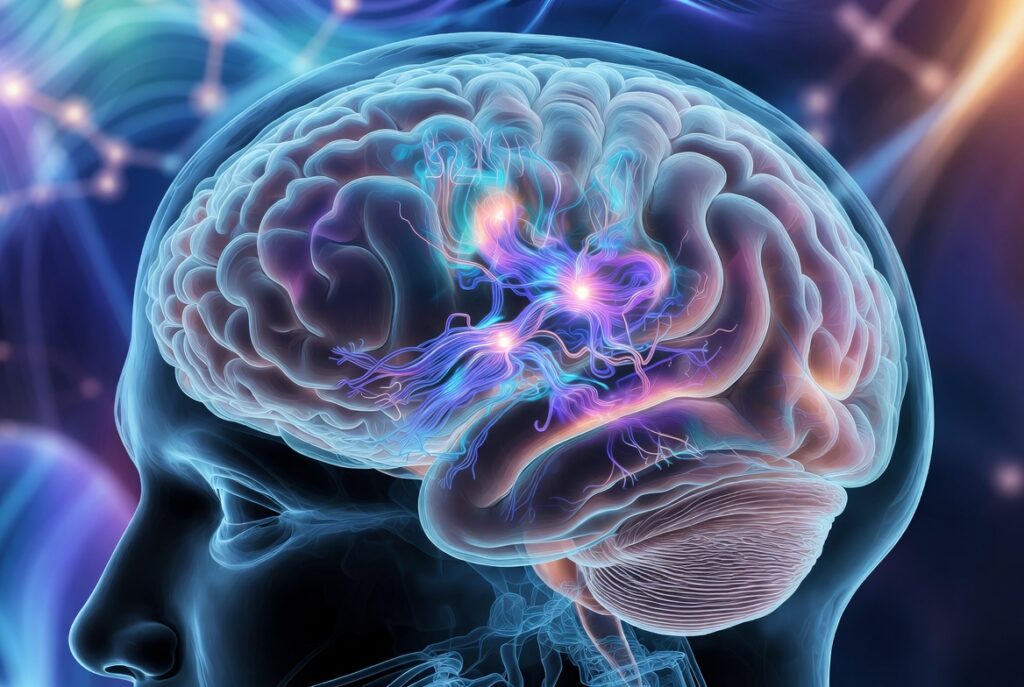
•DMN Modulation by Psychedelics: Research using neuroimaging techniques (e.g., fMRI) has consistently shown that classic psychedelics acutely disrupt the normal functioning and connectivity within the DMN. They tend to decrease functional connectivity within the DMN and increase connectivity between brain regions that typically do not communicate extensively. This disruption is hypothesized to “loosen” rigid thought patterns and self-referential processing, potentially leading to new perspectives and insights that can be therapeutically beneficial, especially in conditions characterized by excessive self-focus like depression and anxiety .
Scientific Research and Evidence
The scientific investigation into hallucinogenic drugs has undergone a dramatic transformation, moving from initial enthusiasm in the mid-20th century, through decades of prohibition, to a vibrant “psychedelic renaissance” characterized by rigorous, evidence-based research. Current findings are shedding light on the complex pharmacology, therapeutic potential, and safety profiles of these substances.
Potential Benefits and Applications
Risks, Side Effects, and Concerns
Common Myths and Misconceptions
Myth | Fact |
Myth: Hallucinogens are highly addictive. | Fact: Classic psychedelics like LSD and psilocybin do not cause physical dependence or withdrawal symptoms and are not considered addictive. In fact, they are being researched as potential treatments for addiction to other substances . |
Myth: Hallucinogens cause brain damage or “fry” your brain. | Fact: There is no scientific evidence that classic psychedelics cause structural brain damage or neurotoxicity at typical doses. Research suggests they may actually promote neuroplasticity . |
Myth: A “bad trip” means the drug is permanently damaging your mind. | Fact: While “bad trips” can be intensely distressing, they are typically temporary psychological reactions. In therapeutic settings, challenging experiences are often viewed as opportunities for psychological breakthrough when properly supported . |
Myth: Hallucinogens inevitably lead to psychosis or schizophrenia. | Fact: While hallucinogens can trigger psychotic episodes in individuals with a predisposition or family history of psychotic disorders, they do not cause schizophrenia in otherwise healthy individuals . |
Myth: The effects of hallucinogens are purely recreational and have no medical value. | Fact: A growing body of rigorous scientific research demonstrates the significant therapeutic potential of hallucinogens for treating conditions like depression, anxiety, PTSD, and addiction . |
Myth: Hallucinogens stay in your spinal cord forever and can cause flashbacks years later. | Fact: Hallucinogens are metabolized and eliminated from the body relatively quickly. While Hallucinogen Persisting Perception Disorder (HPPD) is a real but rare condition, it is not caused by the drug remaining in the body . |
Comparison Section
Feature | Classic Psychedelics (e.g., LSD, Psilocybin) | Dissociative Hallucinogens (e.g., Ketamine, PCP) | Stimulants (e.g., Cocaine, Amphetamines) | Depressants (e.g., Alcohol, Benzodiazepines) |
Primary Mechanism | Serotonin 2A (5-HT2A) receptor agonism | NMDA receptor antagonism | Dopamine/Norepinephrine reuptake inhibition or release | GABA receptor modulation |
Primary Effects | Altered perception, mood, and cognition; mystical experiences | Detachment from reality, distorted sensory perception | Increased alertness, energy, euphoria | Relaxation, sedation, reduced anxiety |
Addiction Potential | Very Low | Moderate | High | High |
Physical Toxicity | Very Low | Moderate to High (especially with chronic use) | High | High |
Therapeutic Potential | Depression, anxiety, addiction, PTSD | Treatment-resistant depression, anesthesia | ADHD, narcolepsy | Anxiety, insomnia, seizure disorders |