MDMA Effects on the Brain: A Comprehensive Scientific Review

MDMA Effects on the Brain: A Comprehensive Scientific Review
The human brain is a complex network of neurons and chemical messengers, and understanding how different substances interact with this system is crucial for both medical science and public health. One such substance that has garnered significant attention from researchers, clinicians, and the public is 3,4-methylenedioxymethamphetamine, commonly known as MDMA. 
 
The study of MDMA effects on the brain provides profound insights into neurochemistry, human behavior, and the potential for novel therapeutic interventions.
 
Understanding the effects of MDMA on the brain is important because it bridges the gap between recreational substance use and emerging psychiatric treatments. As scientific research continues to evolve, distinguishing between evidence-based facts and common misconceptions becomes essential. 
 
This article aims to provide a thorough, objective, and scientific overview of how MDMA interacts with the brain. Readers will learn about the pharmacological mechanisms of MDMA, its historical background, current scientific research, potential therapeutic applications, known risks, and the legal landscape surrounding its use.

What Is MDMA?

Definition

MDMA (3,4-methylenedioxymethamphetamine) is a synthetic psychoactive compound that exhibits both stimulant and mild hallucinogenic properties. Chemically, it is a substituted amphetamine, sharing structural similarities with both psychostimulants like methamphetamine and hallucinogens like mescaline . However, its unique subjective effects have led pharmacologists to classify it in a distinct category known as “entactogens” or “empathogens,” terms used to describe substances that produce feelings of empathy, emotional openness, and connectedness .

Background and Scientific Context

In a scientific context, MDMA is studied for its profound ability to alter mood, perception, and social behavior. Unlike classical psychedelics (such as LSD or psilocybin) that primarily induce significant visual and cognitive alterations, MDMA primarily affects emotional processing and interpersonal interactions
 
It achieves these effects by interacting with the brain’s monoamine neurotransmitter systems, particularly serotonin, dopamine, and norepinephrine . The scientific community is actively investigating MDMA to understand both its neurotoxic potential when used recreationally and its therapeutic potential when administered in controlled clinical settings.

Historical Background

Discovery and Development

The history of MDMA begins in 1912 when it was first synthesized by Anton Köllisch, a chemist working for the German pharmaceutical company Merck . At the time, Merck was not looking for a psychoactive drug; rather, MDMA was an intermediate compound synthesized during the development of a hemostatic medication designed to stop abnormal bleeding . For several decades, MDMA remained largely unstudied and forgotten in the scientific literature.

Major Milestones

The modern history of MDMA is closely tied to the work of Alexander Shulgin, an American chemist who resynthesized the compound in 1965 . Shulgin, a pioneer in psychoactive research, not only synthesized MDMA but also self-experimented with it, meticulously documenting its effects. His work brought MDMA to the attention of the therapeutic community.
 
In the 1970s, Shulgin introduced MDMA to Leo Zeff, a psychotherapist who began using it in his practice and training other therapists to do the same . Zeff and other therapists, including George Greer and Requa Tolbert, found MDMA to be a valuable tool in psychotherapy, particularly for couples counseling and individual therapy. 
 
They observed that MDMA facilitated introspection, enhanced communication, and reduced emotional defensiveness, allowing patients to access and process difficult emotions and memories more effectively . This period, often referred to as the “underground era” of MDMA therapy, saw hundreds of therapists using the substance in their practices, believing it offered unique benefits for emotional healing and personal growth.
 
However, by the early 1980s, MDMA had transitioned from a niche therapeutic tool to a widely used recreational drug, often sold under the street name “Ecstasy” . Its popularity surged in dance clubs and rave culture, leading to increased public and media attention. Concerns about potential neurotoxicity and its growing recreational use prompted regulatory action. 
 
In response, the United States Drug Enforcement Administration (DEA) initiated emergency scheduling procedures. Despite protests from a segment of the scientific and therapeutic community, the DEA placed MDMA in Schedule I of the Controlled Substances Act in 1985, classifying it as a drug with high abuse potential and no accepted medical use . This decision effectively halted legitimate clinical research and therapeutic use of MDMA for many years.

Pharmacology and Biology

To understand MDMA effects on the brain, one must examine its pharmacology. MDMA acts primarily as a monoamine releaser and reuptake inhibitor . When ingested, it crosses the blood-brain barrier, a protective barrier that regulates the passage of substances from the bloodstream into the brain. 
 
Once in the brain, MDMA enters neurons via monoamine transporters, specifically the serotonin transporter (SERT), dopamine transporter (DAT), and norepinephrine transporter (NET). Once inside the neuron, MDMA reverses the normal function of these transporters, causing them to pump neurotransmitters out of the cell and into the synaptic cleft, the microscopic space between neurons where chemical signals are transmitted . This leads to a rapid and substantial increase in the extracellular concentrations of these neurotransmitters.

Mechanisms of Action

The primary mechanism of action for MDMA involves three key monoamine neurotransmitters, each contributing to its distinct psychological and physiological effects:
 
1.Serotonin (5-HT): MDMA is a potent serotonin releaser and also inhibits its reuptake . Serotonin is a crucial neurotransmitter involved in regulating a wide array of brain functions, including mood, appetite, sleep, memory, learning, and emotional processing. The massive surge of serotonin in the synaptic cleft is primarily responsible for the characteristic mood-elevating, empathetic, and prosocial effects of MDMA. This includes feelings of well-being, increased sociability, and a reduction in fear and anxiety. The acute effects are thought to be mediated by the activation of various serotonin receptor subtypes, particularly 5-HT1A and 5-HT2A receptors .
 
2.Dopamine: MDMA also stimulates the release of dopamine, though to a lesser extent than serotonin . Dopamine is a central component of the brain’s reward system, playing a critical role in motivation, pleasure, and motor control. The increase in dopamine contributes to the stimulant effects of MDMA, such as increased energy and alertness, and also to its reinforcing properties, which can contribute to its potential for abuse. However, the dopamine release induced by MDMA is generally less pronounced and sustained compared to classical stimulants like amphetamine or methamphetamine .
 
3.Norepinephrine: The release of norepinephrine, another catecholamine neurotransmitter, contributes to the physical stimulation associated with MDMA . Norepinephrine is involved in the body’s ‘fight or flight’ response, increasing heart rate, blood pressure, and alertness. These effects can manifest as increased energy, heightened sensory perception, and sometimes anxiety or restlessness. The cardiovascular effects of MDMA are largely attributable to this norepinephrine release .

Relevant Systems and Processes

Beyond its direct effects on monoamine neurotransmitters, MDMA influences other neurochemical systems that are critical for its unique subjective and therapeutic properties. Research indicates that MDMA administration leads to a significant increase in the release of oxytocin and prolactin .
 
Oxytocin: Often referred to as the “bonding hormone” or “love hormone,” oxytocin plays a crucial role in social affiliation, trust, and emotional empathy. The elevation of oxytocin levels following MDMA administration is believed to be a significant factor in the prosocial and entactogenic effects of the drug, facilitating feelings of closeness, enhancing interpersonal trust, and reducing social anxiety . This effect is particularly relevant to its therapeutic potential in conditions like PTSD, where impaired social bonding and trust are common.
 
Prolactin: MDMA also increases prolactin levels, a hormone involved in stress response and social behavior. While its exact contribution to the subjective effects of MDMA is less understood than oxytocin, it is part of the broader neuroendocrine response to the drug.
 
Furthermore, MDMA interacts with specific serotonin receptors, particularly the 5-HT2A receptor, which is the primary target for classical psychedelics . While MDMA has a lower affinity for this receptor compared to drugs like LSD, this interaction may contribute to its mild perceptual alterations and the overall subjective experience. The combined action on these various neurotransmitter and neurohormonal systems creates the unique psychoactive profile of MDMA, distinguishing it from both traditional stimulants and classical hallucinogens.

Evolution of Scientific Understanding

The classification of MDMA as a Schedule I substance severely restricted scientific research for many years. Early research predominantly focused on the potential neurotoxic effects of the drug, particularly concerning the serotonergic system
 
However, in recent decades, there has been a resurgence of scientific interest in the therapeutic potential of MDMA, particularly for the treatment of psychiatric conditions such as post-traumatic stress disorder (PTSD) . This shift represents an evolution in scientific understanding, moving from a singular focus on harm to a more nuanced exploration of both risks and clinical applications.

How It Works: Pharmacology and Mechanisms of Action

Pharmacology and Biology

To understand MDMA effects on the brain, one must examine its pharmacology. MDMA acts primarily as a monoamine releaser and reuptake inhibitor . When ingested, it crosses the blood-brain barrier and enters neurons via monoamine transporters. Once inside the neuron, MDMA reverses the normal function of these transporters, causing them to pump neurotransmitters out of the cell and into the synaptic cleft, the space between neurons .

Mechanisms of Action

The primary mechanism of action for MDMA involves three key neurotransmitters:
 
1.Serotonin (5-HT): MDMA causes a massive release of serotonin and inhibits its reuptake . Serotonin is heavily involved in regulating mood, appetite, sleep, and emotional processing. The surge of serotonin is primarily responsible for the mood-elevating, empathetic, and prosocial effects of MDMA .
 
2.Dopamine: MDMA also stimulates the release of dopamine, though to a lesser extent than serotonin . Dopamine is associated with the brain’s reward system, motivation, and motor control. The increase in dopamine contributes to the stimulant effects and the reinforcing properties of the drug .
 
3.Norepinephrine: The release of norepinephrine increases heart rate, blood pressure, and alertness, contributing to the physical stimulation associated with MDMA .

Relevant Systems and Processes

In addition to monoamines, MDMA affects other neurochemical systems. Research indicates that MDMA administration leads to an increase in the release of oxytocin and prolactin . Oxytocin, often referred to as the “bonding hormone,” plays a crucial role in social affiliation, trust, and emotional empathy . The elevation of oxytocin levels is believed to be a significant factor in the prosocial and entactogenic effects of MDMA, facilitating feelings of closeness and reducing social anxiety .
 
Furthermore, MDMA interacts with specific serotonin receptors, particularly the 5-HT2A receptor, which is the primary target for classical psychedelics . While MDMA has a lower affinity for this receptor compared to drugs like LSD, this interaction may contribute to its mild perceptual alterations .
MDMA effects on the brain

Scientific Research and Evidence

Current Findings and Major Studies

Scientific research on MDMA effects on the brain encompasses a broad spectrum of investigations, ranging from basic neuropharmacological studies in animal models to advanced neuroimaging studies in human recreational users, and rigorously controlled clinical trials exploring its therapeutic efficacy.
 
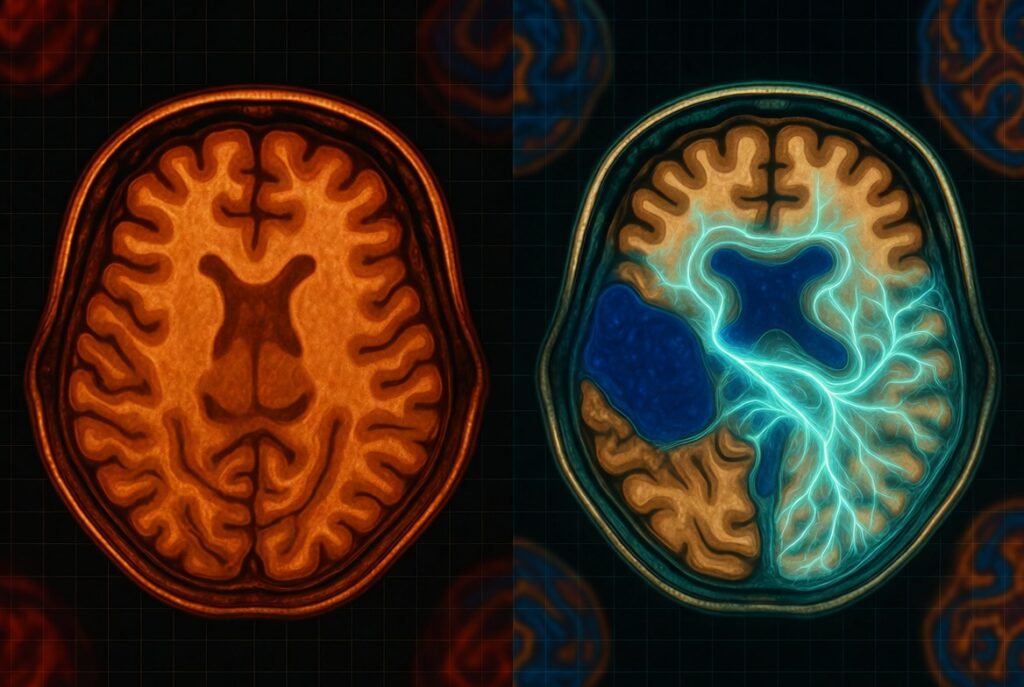
Neuroimaging Studies: Advanced neuroimaging techniques have been instrumental in elucidating the acute and chronic effects of MDMA on brain structure and function. Functional magnetic resonance imaging (fMRI) studies have consistently shown that acute MDMA administration leads to a significant decrease in activity within the amygdala, a key brain region central to processing fear, anxiety, and emotional responses.
 
This reduction in amygdala activity is believed to be crucial for MDMA’s therapeutic potential, as it may allow individuals to confront and process traumatic memories with reduced emotional overwhelm. Concurrently, MDMA has been observed to increase functional connectivity between the amygdala and the hippocampus, a brain structure vital for memory formation and retrieval. 
 
This enhanced connectivity is hypothesized to facilitate the integration of traumatic memories into a broader narrative, making them less emotionally charged and more accessible for cognitive processing . Positron emission tomography (PET) scans have also been used to visualize changes in neurotransmitter systems, such as serotonin transporter (SERT) density, providing insights into the long-term impact of MDMA use.
 
Clinical Trials: The most compelling evidence for MDMA’s therapeutic potential comes from a series of well-designed clinical trials, particularly for the treatment of Post-Traumatic Stress Disorder (PTSD). The Multidisciplinary Association for Psychedelic Studies (MAPS) has sponsored extensive research, culminating in Phase 3 clinical trials. These trials have demonstrated remarkable efficacy, with participants receiving MDMA-assisted therapy showing significantly greater reductions in PTSD symptom severity compared to those receiving placebo with therapy.
 
These studies typically involve several preparatory therapy sessions, followed by one to three 8-hour MDMA-assisted psychotherapy sessions, and subsequent integrative therapy sessions. The results suggest that MDMA acts as a catalyst, enhancing the therapeutic process by fostering a state of emotional openness, trust, and reduced fear, which enables patients to engage more deeply with their trauma.
 
Animal Studies: Early and ongoing animal studies have been critical for understanding the basic neuropharmacological mechanisms of MDMA, including its effects on neurotransmitter release, receptor binding, and potential neurotoxicity. These studies, often conducted in rodents and non-human primates, have helped to characterize the dose-response relationships and the specific neuronal pathways affected by MDMA. For instance, animal models have been used to investigate MDMA’s impact on serotonergic and dopaminergic systems, providing foundational knowledge for understanding its effects in humans .

Areas of Agreement and Debate

There is a general scientific consensus regarding several aspects of MDMA effects on the brain. 
 
Firstly, it is widely accepted that acute MDMA administration profoundly alters serotonergic function, leading to a massive release of serotonin and subsequent changes in mood, perception, and social behavior
 
Secondly, there is strong agreement that MDMA induces significant prosocial and empathogenic effects, which are crucial for its therapeutic potential
 
Thirdly, the scientific community acknowledges that high doses, frequent use, or use in uncontrolled recreational settings can lead to adverse physiological and psychological outcomes, including acute toxicity and potential long-term cognitive deficits .
 
However, significant areas of debate persist, particularly concerning the long-term neurotoxicity of MDMA in humans. Early and influential studies in animal models, primarily rodents and non-human primates, suggested that high doses of MDMA could cause persistent damage to serotonin nerve terminals, leading to a reduction in serotonin transporter (SERT) density and impaired serotonergic function.
 
While these findings raised considerable concern, their direct applicability to human recreational use, with its often lower doses and intermittent patterns, remains a subject of contention. Some neuroimaging studies in heavy recreational users have indeed shown alterations in SERT density and cognitive deficits, particularly in verbal memory and executive function
 
Yet, it is debated whether these observed changes represent irreversible neurotoxicity or if they are transient, resolving after prolonged periods of abstinence. The interpretation of these findings is further complicated by numerous confounding factors inherent in studying recreational drug users, such as polydrug use (the use of multiple substances), pre-existing psychological conditions, lifestyle factors (e.g., sleep deprivation, poor nutrition), and the unknown purity and dosage of illicitly obtained MDMA . These variables make it challenging to isolate the specific effects of MDMA from other contributing factors.
 
Another area of ongoing discussion revolves around the precise mechanisms by which MDMA exerts its therapeutic effects. While the role of serotonin and oxytocin release is well-established, researchers are still exploring the downstream neurobiological changes that contribute to the sustained benefits observed in MDMA-assisted psychotherapy, such as neuroplasticity and altered fear circuitry. The optimal therapeutic dose, frequency of administration, and the necessary components of the psychotherapeutic support also remain subjects of active investigation and refinement.

Limitations of Current Research

Current research on MDMA effects on the brain, while extensive, faces several inherent limitations that warrant consideration when interpreting findings.
 
Challenges in Studying Recreational Users: A significant portion of the research on MDMA’s long-term effects comes from studies involving recreational users. These studies are often hampered by methodological challenges. 
 
Firstly, they typically rely on self-reported drug use, which can be subject to recall bias and inaccuracies regarding the frequency, dosage, and purity of the substances consumed. 
 
Illicit MDMA is frequently adulterated with other psychoactive compounds (e.g., methamphetamine, synthetic cathinones), making it difficult to attribute observed effects solely to MDMA.
 
Secondly, recreational users often engage in polydrug use, consuming MDMA alongside alcohol, cannabis, or other stimulants, which confounds the ability to isolate MDMA-specific effects. 
 
Thirdly, lifestyle factors prevalent in recreational settings, such as sleep deprivation, dehydration, and poor nutrition, can independently contribute to cognitive and psychological issues, further complicating causality.
 
Generalizability of Clinical Trial Data: While clinical trials provide the highest level of evidence due to their controlled nature, they also have limitations in terms of generalizability. These trials involve carefully screened participants who meet strict inclusion and exclusion criteria, often excluding individuals with severe psychiatric comorbidities or significant medical conditions. The administration of MDMA occurs in a highly controlled, supportive, and therapeutic environment, with known doses and purity. This contrasts sharply with recreational use. Therefore, findings from clinical trials, while promising for specific patient populations under therapeutic guidance, cannot be directly extrapolated to the general population or to recreational use scenarios.
 
Regulatory Barriers: The Schedule I classification of MDMA in many countries, including the United States, continues to pose significant logistical, financial, and bureaucratic barriers to research. This classification implies a high potential for abuse and no accepted medical use, making it challenging to obtain funding, regulatory approvals, and the substance itself for research purposes. These barriers have historically slowed down scientific inquiry and limited the scope and scale of studies, particularly those investigating its therapeutic potential.
 
Longitudinal Data Gaps: There is a need for more extensive long-term longitudinal studies that track individuals over many years, from initial exposure to MDMA through various patterns of use and abstinence. Such studies are crucial for definitively understanding the trajectory of potential neurocognitive changes and whether they are reversible or progressive. Current data often provide snapshots rather than comprehensive developmental perspectives.

Potential Benefits and Applications

Research Findings and Clinical Investigations

The most significant area of clinical investigation regarding MDMA is its use as an adjunct to psychotherapy for the treatment of post-traumatic stress disorder (PTSD). MDMA-assisted therapy involves the administration of the drug in a controlled clinical setting, accompanied by preparatory and integrative therapy sessions .
 
Clinical trials, including Phase 3 studies, have demonstrated that MDMA-assisted therapy can significantly reduce PTSD symptom severity compared to therapy with a placebo . The pharmacological effects of MDMA—specifically the reduction of fear response (via amygdala modulation) and the enhancement of trust and empathy (via oxytocin release)—are thought to create a “window of tolerance.” This allows patients to revisit and process traumatic memories without becoming overwhelmed by anxiety or dissociation .

Emerging Areas of Study

Beyond PTSD, researchers are exploring the potential of MDMA-assisted therapy for other psychiatric conditions. Emerging areas of study include the treatment of social anxiety in autistic adults, anxiety associated with life-threatening illnesses, and severe alcohol use disorder . The underlying hypothesis is that the prosocial and anxiolytic properties of MDMA may facilitate therapeutic engagement and emotional processing across various disorders characterized by social disconnection or rigid behavioral patterns.

Risks, Side Effects, and Concerns

Physical Risks

While MDMA is being investigated for therapeutic use, it is crucial to acknowledge that it is not without risks, particularly when used outside of controlled clinical environments and without medical supervision. The physical risks associated with MDMA use are largely attributable to its stimulant properties and its profound effects on the autonomic nervous system, which regulates involuntary bodily functions.
 
Acute physical side effects can include:
 
Cardiovascular Effects: MDMA significantly elevates heart rate (tachycardia) and blood pressure (hypertension) . For individuals with pre-existing cardiovascular conditions, this can pose a serious risk, potentially leading to arrhythmias, heart attack, or stroke. Even in healthy individuals, extreme exertion combined with these effects can be dangerous.
 
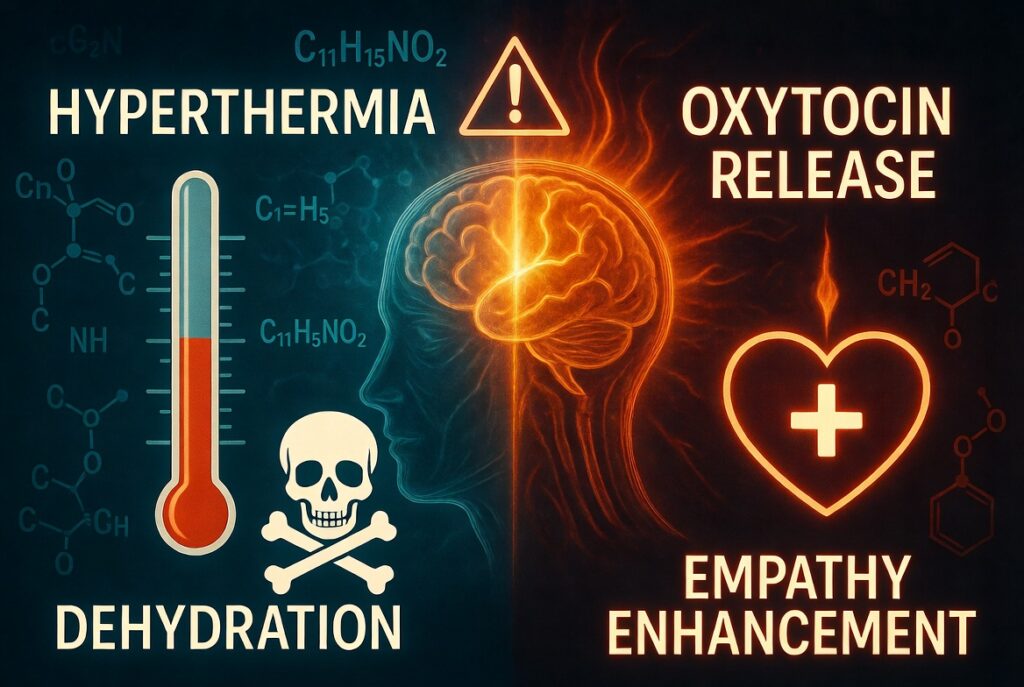
Hyperthermia: One of the most dangerous acute physical risks is increased body temperature, or hyperthermia . MDMA interferes with the body’s thermoregulation, making it difficult to dissipate heat. This risk is greatly exacerbated by physical exertion (such as dancing for extended periods), dehydration, and warm, crowded environments (common in recreational settings). Severe hyperthermia can lead to rhabdomyolysis (breakdown of muscle tissue), kidney failure, liver damage, disseminated intravascular coagulation (DIC), and ultimately, death.
 
Hyponatremia: Paradoxically, while hyperthermia can lead to dehydration, MDMA can also cause hyponatremia, a dangerously low concentration of sodium in the blood. This occurs because MDMA stimulates the release of antidiuretic hormone (ADH), also known as vasopressin, which causes the kidneys to retain water. If individuals then drink excessive amounts of water in an attempt to cool down or prevent dehydration, the body’s sodium levels can become diluted, leading to brain swelling, seizures, coma, and death .
 
Other Physical Symptoms: Other common acute physical effects include jaw clenching (bruxism), muscle tension, nausea, loss of appetite, blurred vision, and sweating .
 
In severe cases, particularly with high doses, repeated dosing, or in combination with other substances (polydrug use), MDMA can lead to life-threatening complications such as serotonin syndrome (discussed below), severe hyperthermia, acute kidney injury, liver toxicity, and severe cardiovascular events . The purity of illicit MDMA is often unknown, and adulterants can introduce additional, unpredictable risks.

Psychological Risks

The psychological risks associated with MDMA use include both acute and subacute effects. During the acute phase, some individuals may experience anxiety, agitation, or transient paranoia .
In the days following MDMA use, individuals often experience a period of low mood, fatigue, irritability, and difficulty concentrating, commonly referred to as a “comedown” or “mid-week blues” . This is believed to be related to the temporary depletion of serotonin stores in the brain .

Known Adverse Effects and Research Limitations

Chronic, heavy recreational use of MDMA has been associated with cognitive deficits, particularly in areas of memory, attention, and executive function . As mentioned earlier, the extent to which these deficits are permanent or reversible remains a subject of ongoing research. It is important to note that the risks observed in recreational settings are significantly higher than those observed in clinical trials, where doses are controlled, purity is known, and patients are medically monitored.

Common Myths and Misconceptions

Myth vs. Fact

Myth: MDMA puts “holes” in your brain.


Fact: This is a persistent myth stemming from early, misinterpreted neuroimaging studies. MDMA does not create physical holes in the brain structure. While heavy use may alter serotonin transporter density and brain function, the concept of structural “holes” is scientifically inaccurate .

Myth: MDMA is a safe, non-addictive drug.


Fact: While MDMA is generally considered to have a lower potential for physical dependence compared to substances like opioids or methamphetamine, it is not entirely safe. It carries significant physical and psychological risks, and some users can develop a psychological dependence or a substance use disorder related to MDMA .

Myth: “Molly” is pure MDMA.


Fact: “Molly” is a street term often used to imply a pure crystalline powder form of MDMA. However, illicitly manufactured drugs are entirely unregulated. Testing of substances sold as “Molly” frequently reveals the presence of other synthetic cathinones (bath salts), methamphetamine, or other adulterants, sometimes with no MDMA present at all .

MDMA vs. Classical Psychedelics and Psychostimulants

To better understand MDMA effects on the brain, it is helpful to compare it with other classes of psychoactive substances.
Feature
MDMA (Entactogen)
Psilocybin/LSD (Classical Psychedelics)
Methamphetamine (Psychostimulant)
Primary Mechanism
Serotonin release and reuptake inhibition
5-HT2A receptor agonism
Dopamine release and reuptake inhibition
Subjective Effects
Empathy, emotional openness, mild stimulation
Visual/auditory alterations, ego dissolution
Intense energy, euphoria, hyper-focus
Hallucinogenic Properties
Weak/Mild
Strong
None (unless in psychosis)
Prosocial Effects
High
Variable
Low
Therapeutic Focus
PTSD, social anxiety
Depression, end-of-life anxiety, addiction
ADHD, narcolepsy (rarely used)
Table 1: Comparison of MDMA with classical psychedelics and psychostimulants based on pharmacological and behavioral profiles.
As shown in the table, MDMA occupies a unique pharmacological space. It shares the monoamine-releasing properties of psychostimulants but is heavily skewed toward serotonin rather than dopamine, resulting in different behavioral outcomes. Compared to classical psychedelics, MDMA produces far fewer perceptual distortions and maintains the user’s sense of self, making it particularly suited for therapies requiring active interpersonal engagement.

Legal and Regulatory Considerations

General Overview

The legal status of MDMA varies significantly by jurisdiction, but it remains strictly controlled in most parts of the world. This section provides a general overview and does not constitute legal advice.
 
In the United States, MDMA is classified as a Schedule I controlled substance under the Controlled Substances Act, meaning it is illegal to manufacture, distribute, or possess . In the United Kingdom, it is a Class A drug. The European Union generally classifies it under strict control measures as well.
 
However, the regulatory landscape is beginning to shift in response to clinical research. In 2023, Australia became the first country to allow authorized psychiatrists to prescribe MDMA for the treatment of PTSD under specific, highly regulated conditions . In the United States, the Food and Drug Administration (FDA) has granted “Breakthrough Therapy” designation to MDMA-assisted therapy for PTSD, expediting its development and review process, although recent regulatory decisions have requested further data before full approval .

Current Scientific Consensus

Areas of Agreement and Unanswered Questions

The current scientific consensus acknowledges that MDMA is a powerful psychoactive compound with a unique pharmacological profile that primarily affects the serotonergic system. Researchers generally agree that MDMA has significant prosocial and entactogenic effects, mediated largely by serotonin and oxytocin release. There is also consensus that MDMA carries acute physiological risks, particularly related to cardiovascular stress and temperature regulation, and that illicit use involves significant dangers due to adulteration.
 
Furthermore, the scientific and medical communities increasingly recognize the potential of MDMA-assisted therapy as a novel treatment paradigm for PTSD, supported by rigorous clinical trial data.
 
However, several unanswered questions remain. The long-term neurocognitive effects of moderate recreational use are still not fully understood. Additionally, the precise neurobiological mechanisms by which MDMA facilitates long-lasting therapeutic changes in PTSD patients require further elucidation. Questions also remain regarding the optimal dosing protocols, the necessity of the psychotherapeutic component, and the applicability of this treatment to diverse populations.

Future Research Directions

Ongoing Investigations and Emerging Interests

Future research on MDMA effects on the brain is likely to expand in several directions. Ongoing clinical trials will continue to evaluate the safety and efficacy of MDMA-assisted therapy for PTSD, potentially leading to regulatory approval in more jurisdictions.
 
Emerging scientific interests include exploring the use of MDMA for other psychiatric conditions, such as eating disorders, substance use disorders, and couples therapy. Neurobiological research will likely focus on utilizing advanced neuroimaging and molecular techniques to map the precise neural circuits and epigenetic changes induced by MDMA. Additionally, medicinal chemists are actively researching MDMA analogues—compounds that retain the therapeutic prosocial effects without the stimulant properties or neurotoxic risks—which could represent the next generation of psychiatric medications.

Conclusion

The study of MDMA effects on the brain reveals a complex interaction between neurochemistry and human behavior. Originally synthesized as a pharmaceutical intermediate, MDMA evolved into a widely used recreational drug before finding a potential new role in modern psychiatry. By primarily acting on the serotonin system and promoting the release of oxytocin, MDMA induces unique states of emotional openness and empathy.
 
While the risks associated with unregulated recreational use are significant, including acute physiological dangers and potential cognitive impacts, controlled clinical research has demonstrated its promise as a catalyst for psychotherapy, particularly in treating PTSD. As scientific understanding continues to advance, it is crucial to maintain an objective, evidence-based perspective, separating factual pharmacology from historical misconceptions. The future of MDMA research holds the potential to not only provide new treatments for debilitating psychiatric conditions but also to deepen our fundamental understanding of the social and emotional brain.


FAQ SECTION

What exactly does MDMA do to the brain?

MDMA primarily affects the brain by interacting with the monoamine neurotransmitter systems. When ingested, it enters neurons and causes a massive release of serotonin, while also inhibiting its reuptake. This floods the synaptic cleft with serotonin, which is responsible for the drug’s mood-elevating and empathetic effects. MDMA also stimulates the release of dopamine and norepinephrine, contributing to its stimulant properties. Furthermore, it triggers the release of hormones like oxytocin and prolactin, which are heavily involved in social bonding and trust. Neuroimaging studies show that MDMA decreases activity in the amygdala (the brain’s fear center) and alters connectivity with the hippocampus, which may explain why it helps individuals process traumatic memories with less fear.

The question of permanent brain damage from MDMA is one of the most debated topics in neuropharmacology. Early animal studies suggested that high doses could cause long-lasting damage to serotonin nerve terminals. In humans, heavy, chronic recreational use has been associated with cognitive deficits, particularly in verbal memory, and alterations in serotonin transporter density. However, it is unclear if these changes are permanent. Some studies suggest that cognitive function and serotonin markers may recover after prolonged periods of abstinence. It is important to distinguish between heavy recreational use—which often involves unknown doses, adulterants, and other risk factors like sleep deprivation—and the controlled, limited dosing used in clinical trials, which has not been shown to cause structural brain damage.

While MDMA is sometimes grouped with psychedelics, its pharmacological mechanisms and subjective effects are distinct. Classical psychedelics like LSD and psilocybin primarily work by agonizing (stimulating) the 5-HT2A serotonin receptor. They produce profound alterations in perception, visual and auditory hallucinations, and sometimes a phenomenon known as “ego dissolution.” MDMA, on the other hand, works primarily by releasing stored serotonin and inhibiting its reuptake. It is classified as an “entactogen” or “empathogen.” It produces feelings of emotional openness, empathy, and connectedness, with very mild or no visual hallucinations. Users of MDMA typically retain a clear sense of self and reality, making it uniquely suited for interactive psychotherapy.

MDMA is being studied for Post-Traumatic Stress Disorder (PTSD) because its unique pharmacological effects address the core challenges of treating the condition. People with PTSD often have a hyperactive amygdala, causing severe fear and anxiety when recalling traumatic memories, which can lead to emotional numbing or dissociation during traditional therapy. MDMA reduces activity in the amygdala, dampening the fear response. Simultaneously, the release of oxytocin and serotonin promotes feelings of safety, trust, and empathy toward the therapist and oneself. This creates a “window of tolerance,” allowing the patient to revisit, process, and integrate traumatic memories without being overwhelmed by the associated negative emotions.

The “comedown” refers to the period of negative physical and psychological symptoms that many users experience in the days following MDMA use. Symptoms often include low mood, fatigue, irritability, anxiety, and difficulty concentrating. This phenomenon is primarily attributed to the depletion of serotonin in the brain. Because MDMA causes a massive release of stored serotonin, the brain’s reserves are temporarily exhausted. It takes time for the brain to synthesize new serotonin and restore normal neurotransmitter balance. The severity of the comedown is often dose-dependent and can be exacerbated by factors common in recreational settings, such as lack of sleep, physical exhaustion, and the use of other substances.

Yes, MDMA can cause serotonin syndrome, a potentially life-threatening condition. Serotonin syndrome occurs when there is an excessive accumulation of serotonin in the central and peripheral nervous systems. Because MDMA is a potent serotonin releaser, taking high doses can trigger this condition. The risk is significantly increased if MDMA is combined with other drugs that affect serotonin levels, such as certain antidepressants (like SSRIs or MAOIs), other stimulants, or certain herbal supplements. Symptoms of serotonin syndrome range from mild (shivering, diarrhea) to severe (muscle rigidity, fever, seizures, and unconsciousness) and require immediate medical attention.

No, “Molly” is not inherently safer than “Ecstasy.” Both are street names that supposedly refer to MDMA. Historically, “Ecstasy” referred to MDMA pressed into pill form, which often contained adulterants. “Molly” (short for molecular) became a popular term to describe what was claimed to be pure crystalline MDMA powder. However, illicit drug markets are unregulated. Testing of substances sold as “Molly” frequently reveals that they contain little to no MDMA. Instead, they are often composed of other synthetic stimulants, such as synthetic cathinones (“bath salts”), methamphetamine, or other dangerous adulterants. Therefore, relying on street names provides no guarantee of purity or safety.

MDMA affects memory in both acute and potentially long-term ways. Acutely, while under the influence of the drug, individuals may experience difficulties with working memory and the encoding of new information. In the context of therapy, however, MDMA is used to help patients access and process long-term traumatic memories. Regarding long-term effects, research indicates that chronic, heavy recreational use of MDMA is associated with deficits in retrospective memory (remembering past events) and prospective memory (remembering to do things in the future), particularly verbal memory. The extent to which these deficits persist after stopping use is still a subject of scientific investigation.

The physical risks of MDMA are primarily related to its stimulant effects and its impact on the body’s ability to regulate temperature. Acute physical risks include elevated heart rate and blood pressure, which can be dangerous for individuals with underlying cardiovascular conditions. One of the most severe risks is hyperthermia (dangerously high body temperature), which can lead to organ failure. This risk is amplified in hot environments and during vigorous physical activity. Another significant risk is hyponatremia, a condition where sodium levels in the blood become dangerously low. This occurs because MDMA promotes the release of antidiuretic hormone (causing water retention) and users may drink excessive amounts of water to cool down, leading to brain swelling.

The legal status of MDMA for medical use is currently evolving. For decades, it has been classified globally as a Schedule I substance with no accepted medical use. However, due to promising clinical trial results, changes are occurring. In July 2023, Australia became the first country to reschedule MDMA, allowing authorized psychiatrists to prescribe it specifically for the treatment of PTSD. In the United States, the FDA has granted MDMA-assisted therapy “Breakthrough Therapy” status, but as of 2024, it has not yet received full FDA approval for widespread medical use, with regulators requesting additional data. In most other countries, it remains strictly illegal outside of approved clinical trials.

REFERENCES

Share this post :

Facebook
Twitter
LinkedIn
Pinterest
Popular Product