What Are Hallucinogenic Drugs? An In-Depth Scientific Exploration

What Are Hallucinogenic Drugs
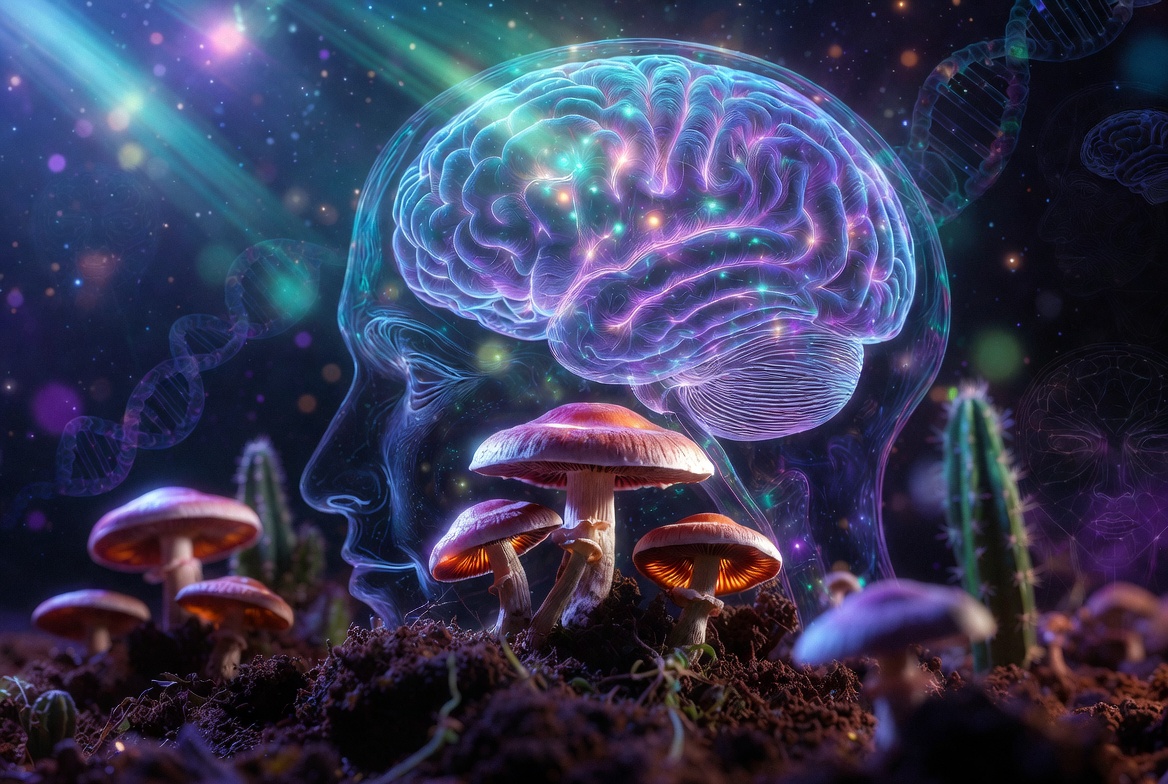
Hallucinogenic drugs, often referred to as psychedelics, represent a fascinating and complex class of psychoactive substances that have profoundly influenced human societies for millennia. 
 
From ancient spiritual rituals to modern scientific investigations, these compounds have captivated interest due to their remarkable ability to alter perception, mood, and cognitive processes. 
 
This article aims to provide a comprehensive, evidence-based exploration of what hallucinogenic drugs are, delving into their scientific classification, historical context, pharmacological mechanisms, potential therapeutic applications, associated risks, and current legal and regulatory landscapes. 
 
Readers will gain a deeper understanding of these substances from medical, psychological, and public health perspectives, grounded in the latest scientific research and expert consensus.
 

What are hallucinogenic drugs?

Hallucinogenic drugs are a diverse group of psychoactive substances that primarily induce alterations in perception, thought, and emotion. The term “hallucinogen” itself implies the generation of hallucinations, which are sensory experiences that appear real but are created by the mind. 
 
However, it is important to note that frank hallucinations (seeing or hearing things that are not there) are not always the primary or sole effect, especially at typical doses. Many researchers prefer the term “psychedelic,” derived from Greek words meaning “mind-manifesting” or “soul-revealing,” as it better encapsulates the profound and often insightful changes in consciousness these substances can produce .
 
These substances can be found naturally in plants and fungi, such as psilocybin mushrooms, peyote cactus (mescaline), and ayahuasca (DMT), or they can be synthetically produced, like lysergic acid diethylamide (LSD) . Despite their diverse origins and chemical structures, hallucinogens share a common ability to temporarily disrupt normal brain function, leading to altered states of consciousness. 
 
They are generally categorized into two main groups: classic psychedelics (or serotonergic hallucinogens) and dissociative hallucinogens.
Classic psychedelics primarily act on serotonin 2A (5-HT2A) receptors in the brain. This group includes substances like LSD, psilocybin, DMT, and mescaline. 
 
Their effects typically involve visual and auditory distortions, altered sense of time, enhanced introspection, and sometimes profound spiritual or mystical experiences. They generally do not cause memory impairment, delirium, or addiction in the same way as some other classes of drugs .
 
Dissociative hallucinogens, on the other hand, primarily interfere with the action of the brain chemical glutamate at N-methyl-D-aspartate (NMDA) receptors. This category includes substances such as phencyclidine (PCP) and ketamine. 
 
Dissociatives can produce feelings of detachment from one’s body or environment, distortions of reality, and sometimes a sense of unreality or dream-like states .
 
Understanding what hallucinogenic drugs are requires moving beyond simplistic definitions and appreciating their complex interactions with brain chemistry, their varied effects on human experience, and their long-standing presence in human culture and medicine. The scientific study of these compounds continues to evolve, revealing new insights into consciousness and potential therapeutic applications.
What Are Hallucinogenic Drugs

Historical Background

The history of hallucinogenic drugs is as old as human civilization itself, deeply intertwined with spiritual practices, healing rituals, and cultural exploration across diverse societies. Their use predates recorded history, with archaeological evidence suggesting the consumption of psychoactive plants by early humans for thousands of years .
 
Ancient Use and Indigenous Traditions: Many naturally occurring hallucinogens have been central to indigenous cultures worldwide. For instance, the use of the San Pedro and Peyote cacti, both containing mescaline, has been traced back as far as 8,600 BC in Peru . Psilocybin-containing mushrooms have been depicted in ancient Mesoamerican art and are believed to have been used in religious ceremonies by cultures like the Aztecs and Mayans. 
 
Ayahuasca, a potent brew containing DMT, has a rich history of ceremonial use among Amazonian indigenous groups for healing and spiritual exploration . These substances were not typically used recreationally but were integrated into structured rituals, guided by shamans or healers, to facilitate spiritual journeys, divination, and communal bonding.
 
Modern Discovery and Early Research (20th Century): The modern scientific era of hallucinogenic drugs began in 1938 when Swiss chemist Albert Hofmann first synthesized lysergic acid diethylamide (LSD) from ergot fungus. Its potent psychoactive effects were discovered by accident in 1943 when Hofmann inadvertently ingested a small amount
 
This discovery sparked immense scientific interest, and by the 1950s and 1960s, LSD and psilocybin were extensively researched for their potential in psychotherapy, particularly for treating alcoholism, anxiety, and mood disorders . Thousands of scientific papers were published, and numerous clinical trials were conducted, yielding promising results.
 
The Counterculture and Regulatory Backlash: The widespread recreational use of LSD during the 1960s counterculture movement, coupled with sensationalized media reports and a lack of understanding of its potential risks, led to a significant societal backlash. Governments worldwide began to implement strict regulations. 
 
In 1971, the United Nations Convention on Psychotropic Substances effectively banned psychedelics internationally, classifying them as Schedule I substances with a high potential for abuse and no accepted medical use. This global prohibition largely halted scientific research into these compounds for several decades .
 
The Psychedelic Renaissance (21st Century): Despite the decades-long moratorium, a resurgence of scientific interest in hallucinogenic drugs began in the late 20th and early 21st centuries. Researchers, recognizing the untapped therapeutic potential and the limitations of conventional treatments for mental health disorders, initiated new studies under strict regulatory oversight. 
 
This period, often termed the “psychedelic renaissance,” has seen a renewed focus on rigorous clinical trials investigating substances like psilocybin, MDMA (though technically an empathogen, it is often discussed in this context), and LSD for conditions such as depression, PTSD, anxiety, and addiction.
 
Major institutions like Johns Hopkins University and Imperial College London have established dedicated research centers, contributing to a growing body of evidence that challenges previous misconceptions and highlights the complex pharmacology and potential benefits of these compounds when used in controlled, therapeutic settings.
 
This historical journey underscores the fluctuating perceptions and scientific understanding of hallucinogenic drugs, moving from ancient reverence to modern prohibition and now to a cautious, evidence-based re-evaluation of their role in medicine and society.
what are hallucinogenic drugs

How It Works

The profound effects of hallucinogenic drugs stem from their intricate interactions with the brain’s neurochemical systems. While different classes of hallucinogens operate through distinct primary mechanisms, they ultimately converge on altering neural circuits that govern perception, mood, and cognition. Understanding how it works involves delving into their pharmacology, biology, and psychological impacts.
Pharmacology and Mechanisms of Action:
 
Classic Psychedelics (Serotonergic Hallucinogens): The primary mechanism of action for classic psychedelics like LSD, psilocybin (via its active metabolite psilocin), DMT, and mescaline involves their agonistic or partial agonistic activity at serotonin 2A (5-HT2A) receptors . These receptors are densely distributed in the cerebral cortex, particularly in areas involved in higher-order cognitive functions, sensory processing, and introspection. When activated, 5-HT2A receptors trigger a cascade of intracellular events that lead to altered neuronal firing patterns and enhanced cortical excitability. This activation is thought to be central to the perceptual distortions, altered states of consciousness, and mystical experiences reported by users. Beyond 5-HT2A, these compounds can also interact with other serotonin receptor subtypes (e.g., 5-HT1A, 5-HT2C) and, in some cases, dopamine receptors (e.g., LSD), contributing to the nuanced differences in their subjective effects .
 
Dissociative Hallucinogens: Dissociative hallucinogens, such as ketamine and phencyclidine (PCP), primarily exert their effects by acting as N-methyl-D-aspartate (NMDA) receptor antagonists . NMDA receptors are a type of glutamate receptor, and glutamate is the brain’s primary excitatory neurotransmitter, crucial for learning, memory, and synaptic plasticity. By blocking NMDA receptors, dissociatives reduce excitatory neurotransmission, particularly in cortical and limbic regions. This disruption leads to a sense of detachment, distortions of reality, and altered perceptions of sight and sound, characteristic of the dissociative state. The effects can range from mild perceptual changes to profound out-of-body experiences and a feeling of unreality .
Relevant Systems and Processes:
 
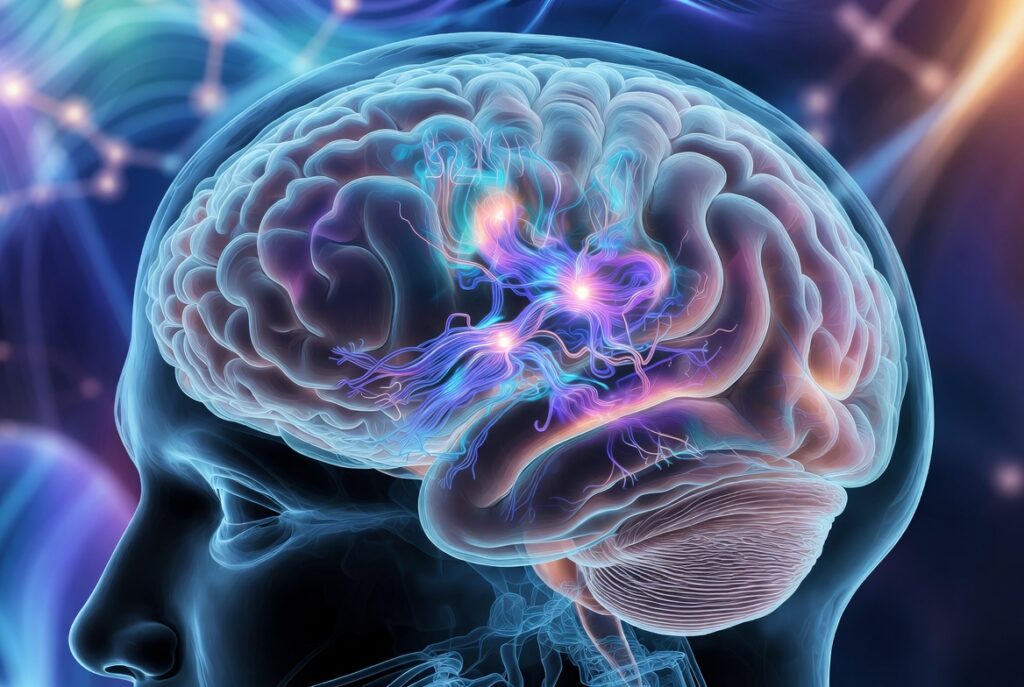
Both classic and dissociative hallucinogens significantly impact brain networks, particularly the Default Mode Network (DMN). The DMN is a network of interconnected brain regions that is most active when a person is at rest, not focused on the outside world, and engaged in internal tasks such as self-reflection, mind-wandering, and planning for the future. It plays a crucial role in our sense of self and ego .
 

DMN Modulation by Psychedelics: Research using neuroimaging techniques (e.g., fMRI) has consistently shown that classic psychedelics acutely disrupt the normal functioning and connectivity within the DMN. They tend to decrease functional connectivity within the DMN and increase connectivity between brain regions that typically do not communicate extensively. This disruption is hypothesized to “loosen” rigid thought patterns and self-referential processing, potentially leading to new perspectives and insights that can be therapeutically beneficial, especially in conditions characterized by excessive self-focus like depression and anxiety .

Neuroplasticity: Beyond acute effects, many hallucinogens, particularly classic psychedelics, are thought to promote neuroplasticity – the brain’s ability to reorganize itself by forming new neural connections. This increased plasticity could contribute to the long-term therapeutic effects observed in some studies, allowing individuals to break free from entrenched negative thought patterns and behaviors .
In essence, hallucinogenic drugs work by temporarily altering the delicate balance of neurotransmitter systems and brain network activity, leading to profound changes in consciousness that can, under controlled conditions, facilitate psychological healing and personal growth.

Scientific Research and Evidence

The scientific investigation into hallucinogenic drugs has undergone a dramatic transformation, moving from initial enthusiasm in the mid-20th century, through decades of prohibition, to a vibrant “psychedelic renaissance” characterized by rigorous, evidence-based research. Current findings are shedding light on the complex pharmacology, therapeutic potential, and safety profiles of these substances.
Current Findings and Major Studies:
Recent clinical trials have yielded promising results, particularly for classic psychedelics like psilocybin and LSD, in treating various psychiatric conditions.
 
Depression and Anxiety: Several major studies have demonstrated the efficacy of psilocybin-assisted therapy in reducing symptoms of major depressive disorder (MDD) and treatment-resistant depression. For instance, research from institutions like Johns Hopkins University and Imperial College London has shown that even a single or a few doses of psilocybin, administered in a supportive therapeutic setting, can lead to rapid, substantial, and sustained reductions in depressive symptoms . Similarly, studies have highlighted the potential of psilocybin and LSD to alleviate anxiety and depression in patients facing life-threatening illnesses, such as terminal cancer, improving their quality of life and reducing end-of-life distress .
 
Post-Traumatic Stress Disorder (PTSD): While research on classic psychedelics for PTSD is still emerging, there is growing interest in their potential. Some studies suggest that the neuroplasticity and altered states of consciousness induced by these substances might help individuals process traumatic memories more effectively when combined with psychotherapy . However, more extensive clinical trials are needed to establish their efficacy and safety for this specific condition.
 
Substance Use Disorders: Preliminary research indicates that classic psychedelics may be beneficial in treating addiction. Studies have explored the use of psilocybin for smoking cessation and alcohol dependence, showing promising results in helping individuals break entrenched behavioral patterns and achieve long-term abstinence .
What Are Hallucinogenic Drugs?
Areas of Agreement and Debate:
 
There is a growing consensus among researchers that classic psychedelics, when administered in controlled clinical settings with appropriate psychological support, have a relatively favorable safety profile and hold significant therapeutic potential for certain mental health conditions.
 
The acute effects are generally well-tolerated, and the risk of physiological toxicity or addiction is low compared to many other substances .
However, areas of debate remain. The optimal dosing strategies, the necessity and nature of the accompanying psychotherapy, and the long-term durability of the therapeutic effects are subjects of ongoing investigation. Furthermore, the mechanisms by which these substances exert their therapeutic benefits—whether primarily through pharmacological action, the profound subjective experiences they induce, or a combination of both—are still being debated and explored .
 
Limitations of Current Research:
 
Despite the promising findings, current research has several limitations. Many studies have small sample sizes, and the highly subjective nature of the psychedelic experience makes it challenging to conduct rigorous double-blind, placebo-controlled trials, as participants and researchers can often easily identify who received the active substance. Additionally, the long-term effects and potential risks of repeated use, especially outside of clinical settings, require further investigation. The diversity of study designs and the specific therapeutic protocols used also make it difficult to compare results across different trials .

Potential Benefits and Applications

 
The resurgence of research into hallucinogenic drugs has illuminated a range of potential benefits and applications, primarily within the realm of mental health treatment. These substances are increasingly viewed not merely as pharmacological agents but as catalysts for profound psychological change when used in conjunction with psychotherapy.
 
Therapeutic Interest and Clinical Investigations:
 
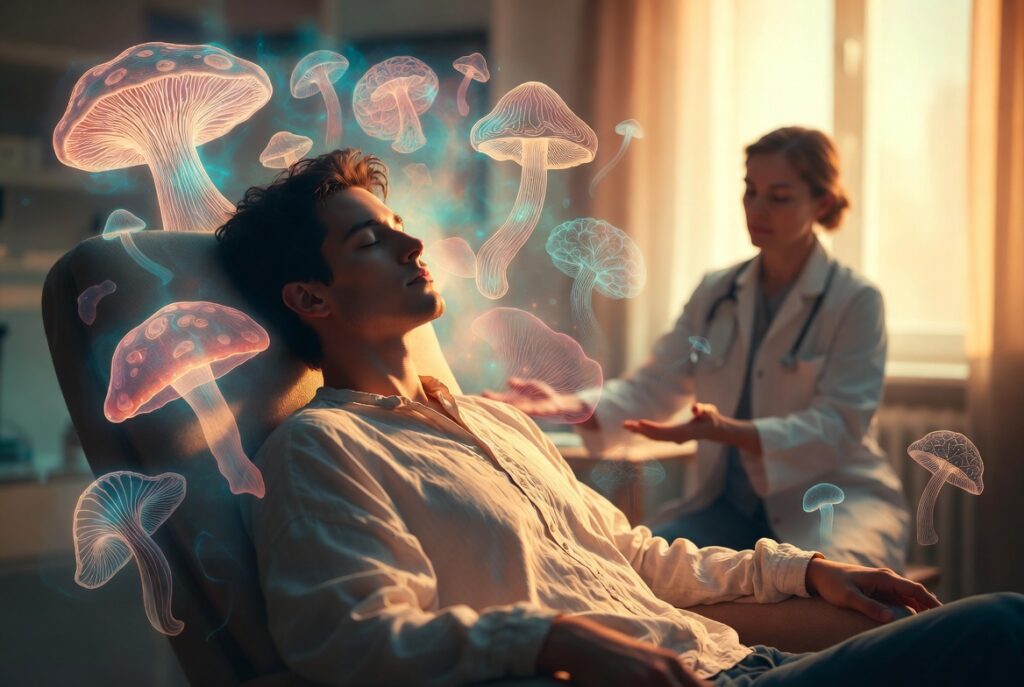
The most significant therapeutic interest lies in the treatment of mood and anxiety disorders. The ability of classic psychedelics to induce rapid and sustained reductions in depressive symptoms, even in treatment-resistant cases, represents a potential paradigm shift in psychiatry. The therapeutic model typically involves preparatory sessions, the drug administration session in a supportive environment, and subsequent integration sessions to help patients process their experiences and apply insights to their daily lives .
 
End-of-Life Distress: The profound existential anxiety and depression often experienced by patients with terminal illnesses have been a major focus of clinical investigations. Studies have shown that psilocybin-assisted therapy can significantly reduce these symptoms, fostering a sense of peace, acceptance, and improved quality of life .
 
Addiction Treatment: The potential of psychedelics to disrupt entrenched behavioral patterns and promote neuroplasticity makes them promising candidates for treating substance use disorders. Research is exploring their efficacy in smoking cessation, alcohol dependence, and potentially other addictions, with early results suggesting they can help individuals gain new perspectives on their addictive behaviors and facilitate lasting change
Emerging Areas of Study:
 
Beyond the well-established areas of depression, anxiety, and addiction, research is expanding into other potential applications.
 
Cluster Headaches and Migraines: Some studies and anecdotal reports suggest that classic psychedelics, particularly psilocybin and LSD, may be effective in preventing or aborting cluster headaches and migraines, conditions that are notoriously difficult to treat with conventional medications .
 
Eating Disorders: The ability of psychedelics to alter self-perception and disrupt rigid thought patterns has led to investigations into their potential for treating eating disorders, such as anorexia nervosa, where distorted body image and obsessive thoughts are central features .
 
Cognitive Enhancement and Creativity: While less clinically focused, there is ongoing interest in the potential of psychedelics, particularly in “microdosing” (taking sub-perceptual doses), to enhance creativity, problem-solving, and overall cognitive function. However, scientific evidence supporting these claims remains limited and requires further rigorous investigation .
 
The potential benefits of hallucinogenic drugs are vast, but it is crucial to emphasize that these applications are still largely in the investigational stage. The therapeutic efficacy is heavily dependent on the context, the individual’s psychological state, and the presence of professional support.

Risks, Side Effects, and Concerns

While the therapeutic potential of hallucinogenic drugs is significant, it is imperative to acknowledge and understand the associated risks, side effects, and concerns. These substances are powerful psychoactive agents, and their use, particularly outside of controlled clinical settings, carries inherent risks.
 
Physical Risks:
 
The physical toxicity of classic psychedelics like LSD and psilocybin is remarkably low. There is no known lethal dose for these substances in humans, and they do not cause physical dependence or withdrawal symptoms . However, acute physical side effects can occur, including increased heart rate, elevated blood pressure, dilated pupils, nausea, and changes in body temperature. These effects are generally mild and transient but can be concerning for individuals with pre-existing cardiovascular conditions .
 
Dissociative hallucinogens, such as ketamine and PCP, carry different physical risks. High doses can lead to respiratory depression, significant increases in blood pressure, and, in severe cases, seizures or coma. Long-term, heavy use of ketamine has been associated with severe urinary tract issues, including ulcerative cystitis .
 
Psychological Risks:
 
The most significant risks associated with hallucinogenic drugs are psychological. The profound alterations in consciousness can be unpredictable and challenging to navigate.
 
Bad Trips“: Individuals may experience acute psychological distress, often referred to as a “bad trip.” This can manifest as intense fear, anxiety, paranoia, confusion, and panic. While these experiences are usually temporary and resolve as the drug’s effects wear off, they can be deeply unsettling and, in rare cases, lead to lasting psychological trauma .
 
Hallucinogen Persisting Perception Disorder (HPPD): A rare but documented risk is HPPD, characterized by the re-experiencing of perceptual symptoms (such as visual trails or halos) long after the drug has left the system. The exact cause and prevalence of HPPD are not fully understood, but it can cause significant distress and impairment .
 
Exacerbation of Underlying Mental Health Conditions: Hallucinogens can potentially trigger or exacerbate underlying mental health conditions, particularly psychotic disorders like schizophrenia. Individuals with a personal or family history of such conditions are generally advised to avoid these substances, and they are typically excluded from clinical trials .
Known Adverse Effects and Research Limitations:
 
The controlled environment of clinical trials significantly mitigates many of these risks. Participants are carefully screened, prepared, and supported throughout the experience. However, the risks are substantially higher in recreational settings, where the purity and dosage of the substance are often unknown, and the environment may be unpredictable or unsupportive.
 
Furthermore, current research has limitations in fully assessing long-term risks. Many studies have relatively short follow-up periods, and the long-term psychological and physiological consequences of repeated use, especially at high doses, require further investigation. The potential for these substances to induce lasting changes in personality or worldview, while often viewed positively in therapeutic contexts, also warrants careful consideration and ongoing study .

Common Myths and Misconceptions

The history of hallucinogenic drugs is fraught with misinformation and sensationalism, leading to numerous myths and misconceptions that persist today. Addressing these is crucial for a clear, evidence-based understanding of these substances.
Myth
Fact
Myth: Hallucinogens are highly addictive.
Fact: Classic psychedelics like LSD and psilocybin do not cause physical dependence or withdrawal symptoms and are not considered addictive. In fact, they are being researched as potential treatments for addiction to other substances .
Myth: Hallucinogens cause brain damage or “fry” your brain.
Fact: There is no scientific evidence that classic psychedelics cause structural brain damage or neurotoxicity at typical doses. Research suggests they may actually promote neuroplasticity .
Myth: A “bad trip” means the drug is permanently damaging your mind.
Fact: While “bad trips” can be intensely distressing, they are typically temporary psychological reactions. In therapeutic settings, challenging experiences are often viewed as opportunities for psychological breakthrough when properly supported .
Myth: Hallucinogens inevitably lead to psychosis or schizophrenia.
Fact: While hallucinogens can trigger psychotic episodes in individuals with a predisposition or family history of psychotic disorders, they do not cause schizophrenia in otherwise healthy individuals .
Myth: The effects of hallucinogens are purely recreational and have no medical value.
Fact: A growing body of rigorous scientific research demonstrates the significant therapeutic potential of hallucinogens for treating conditions like depression, anxiety, PTSD, and addiction .
Myth: Hallucinogens stay in your spinal cord forever and can cause flashbacks years later.
Fact: Hallucinogens are metabolized and eliminated from the body relatively quickly. While Hallucinogen Persisting Perception Disorder (HPPD) is a real but rare condition, it is not caused by the drug remaining in the body .

Comparison Section

To better understand hallucinogenic drugs, it is helpful to compare them with other classes of psychoactive substances. This highlights their unique pharmacological profiles and effects.
Feature
Classic Psychedelics (e.g., LSD, Psilocybin)
Dissociative Hallucinogens (e.g., Ketamine, PCP)
Stimulants (e.g., Cocaine, Amphetamines)
Depressants (e.g., Alcohol, Benzodiazepines)
Primary Mechanism
Serotonin 2A (5-HT2A) receptor agonism
NMDA receptor antagonism
Dopamine/Norepinephrine reuptake inhibition or release
GABA receptor modulation
Primary Effects
Altered perception, mood, and cognition; mystical experiences
Detachment from reality, distorted sensory perception
Increased alertness, energy, euphoria
Relaxation, sedation, reduced anxiety
Addiction Potential
Very Low
Moderate
High
High
Physical Toxicity
Very Low
Moderate to High (especially with chronic use)
High
High
Therapeutic Potential
Depression, anxiety, addiction, PTSD
Treatment-resistant depression, anesthesia
ADHD, narcolepsy
Anxiety, insomnia, seizure disorders
This comparison illustrates that while hallucinogens share the ability to alter consciousness, their mechanisms, risks, and therapeutic applications differ significantly from other common psychoactive substances.
What Are Hallucinogenic Drugs?

Legal and Regulatory Considerations

The legal and regulatory status of hallucinogenic drugs is complex and varies significantly across different jurisdictions. This section provides a general overview and does not constitute legal advice.
 
General Overview:
 
Internationally, most classic psychedelics and many dissociative hallucinogens are classified under the strictest regulatory categories. The United Nations Convention on Psychotropic Substances of 1971 placed substances like LSD, psilocybin, and DMT in Schedule I, indicating a high potential for abuse and no recognized medical use. This classification has heavily influenced national laws worldwide, making the possession, manufacture, and distribution of these substances illegal in most countries .
 
Varying Jurisdictions and Recent Changes:
 
However, the legal landscape is beginning to shift, reflecting the growing body of scientific evidence supporting the therapeutic potential of these compounds.
 
Decriminalization and Legalization Efforts: In several jurisdictions, particularly within the United States, there have been movements to decriminalize or legalize certain naturally occurring psychedelics, such as psilocybin mushrooms. Cities like Denver, Colorado, and Oakland, California, have passed measures to deprioritize the enforcement of laws against these substances. In 2020, Oregon became the first U.S. state to legalize psilocybin for therapeutic use under a regulated framework .
 
Medical and Research Exemptions: Even in countries where these substances remain strictly controlled, there are often provisions for scientific research and, increasingly, for limited medical use. For example, ketamine, a dissociative hallucinogen, is legally available as an anesthetic and is increasingly used off-label for treatment-resistant depression. Furthermore, regulatory agencies like the U.S. Food and Drug Administration (FDA) have granted “Breakthrough Therapy” designation to psilocybin and MDMA for specific psychiatric conditions, expediting their development and review processes .
 
It is crucial to emphasize that laws regarding hallucinogenic drugs are subject to change and vary widely by country, state, and local jurisdiction. Individuals should always consult local laws and regulations.

Current Scientific Consensus

The current scientific consensus regarding hallucinogenic drugs is characterized by a cautious optimism, recognizing both their profound therapeutic potential and the need for rigorous, ongoing research.
 
What Researchers Generally Agree Upon:
 
Therapeutic Potential: There is broad agreement that classic psychedelics, particularly psilocybin and LSD, hold significant promise for treating a range of psychiatric conditions, including depression, anxiety, and substance use disorders, especially when administered in controlled clinical settings with appropriate psychological support .
 
Safety Profile in Clinical Settings: Researchers agree that when used in carefully controlled environments with screened participants, the physiological risks of classic psychedelics are low, and the psychological risks can be effectively managed .
 
Mechanism of Action: The primary role of the serotonin 2A (5-HT2A) receptor in mediating the acute effects of classic psychedelics is well-established, as is their ability to modulate brain networks like the Default Mode Network (DMN) .
 
Unanswered Questions and Ongoing Debates:
 
Long-Term Efficacy and Safety: The long-term durability of the therapeutic effects and the potential risks of repeated use require further investigation.
 
Optimal Therapeutic Framework: The specific role and necessity of the accompanying psychotherapy, and how to optimize the therapeutic context (the “set and setting”), are subjects of ongoing debate and research.
 
Mechanisms of Therapeutic Change: While the pharmacological mechanisms are increasingly understood, the precise psychological and neurobiological processes that translate the acute psychedelic experience into lasting therapeutic benefits remain a complex area of study

Future Research Directions

The field of psychedelic science is rapidly evolving, with numerous avenues for future research.
 
Ongoing Investigations and Emerging Interests:
 
Expanding Clinical Applications: Research is expanding to investigate the efficacy of hallucinogens for a broader range of conditions, including eating disorders, obsessive-compulsive disorder (OCD), cluster headaches, and early-stage dementia.
 
Understanding Mechanisms: Further neuroimaging and neurobiological studies are needed to elucidate the precise mechanisms by which these substances promote neuroplasticity and alter brain network connectivity, and how these changes correlate with therapeutic outcomes.
 
Personalized Medicine: Research is exploring how individual differences in genetics, personality, and neurobiology influence the response to hallucinogens, aiming to develop more personalized and effective treatment approaches.
 
Microdosing: The practice of microdosing (taking sub-perceptual doses) is gaining popularity, but rigorous scientific evidence regarding its efficacy and safety is lacking. Future research will likely focus on evaluating these claims through controlled clinical trials

Conclusion

Hallucinogenic drugs represent a complex and multifaceted class of substances with a rich historical legacy and a rapidly evolving scientific understanding. From their ancient use in spiritual rituals to their current investigation as breakthrough psychiatric treatments, these compounds continue to challenge our understanding of consciousness and the brain.
 
Key Takeaways:
 
Hallucinogens, including classic psychedelics and dissociatives, profoundly alter perception, mood, and cognition primarily through interactions with serotonin and glutamate systems.
 
A “psychedelic renaissance” is underway, with rigorous scientific research demonstrating the significant therapeutic potential of these substances for conditions like depression, anxiety, PTSD, and addiction.
 
While physically relatively safe, hallucinogens carry psychological risks, particularly when used outside of controlled clinical settings.
 
The legal landscape is shifting, reflecting the growing scientific evidence, but these substances remain strictly regulated in most jurisdictions.
 
Future research is crucial to fully understand their mechanisms, optimize therapeutic protocols, and explore new applications.
As research progresses, a balanced, evidence-based approach is essential to harness the potential benefits of hallucinogenic drugs while mitigating their risks, paving the way for innovative and effective treatments in mental health care.

FAQ SECTION

What are the main differences between classic psychedelics and dissociative hallucinogens?
Classic psychedelics, such as LSD, psilocybin, and mescaline, primarily exert their effects by acting as agonists or partial agonists at serotonin 2A (5-HT2A) receptors in the brain. These substances typically induce profound alterations in perception, mood, and thought processes, often leading to experiences described as mystical or insightful. They generally do not cause a complete loss of contact with reality or memory impairment.
 
In contrast, dissociative hallucinogens, like ketamine and PCP, primarily function as antagonists at N-methyl-D-aspartate (NMDA) receptors, which are part of the glutamate neurotransmitter system. Dissociatives tend to produce feelings of detachment from one’s body and environment, distortions of sensory perception, and a sense of unreality. At higher doses, they can cause significant memory impairment, delirium, and a state of anesthesia. While both classes can alter consciousness, their pharmacological mechanisms and the subjective nature of the experiences they induce are distinctly different.
The addiction potential of hallucinogenic drugs varies significantly depending on the specific class of substance. Classic psychedelics, such as LSD, psilocybin, and DMT, are generally not considered addictive. They do not produce physical dependence, and users do not experience withdrawal symptoms upon cessation of use. 
 
Furthermore, these substances often induce rapid tolerance, meaning that repeated use over a short period diminishes their effects, which naturally discourages compulsive use. In fact, research is currently exploring the potential of classic psychedelics to treat addiction to other substances, such as alcohol and nicotine.
 
However, dissociative hallucinogens, particularly ketamine and PCP, do carry a moderate risk of addiction. Regular use can lead to psychological dependence, tolerance, and, in some cases, withdrawal symptoms. It is crucial to distinguish between these classes when discussing addiction potential, as the risks are not uniform across all hallucinogenic substances.
There is currently no scientific evidence to suggest that classic psychedelics, such as LSD or psilocybin, cause structural brain damage or neurotoxicity at typical doses. In fact, emerging research indicates that these substances may promote neuroplasticity—the brain’s ability to form new neural connections and reorganize itself. This neuroplastic effect is hypothesized to be one of the mechanisms underlying their potential therapeutic benefits.
 
However, the risks associated with dissociative hallucinogens are different. Chronic, heavy use of substances like ketamine has been linked to cognitive impairments and potential neurotoxic effects in animal models, although the extent of these effects in humans is still being studied. Additionally, while classic psychedelics do not cause physical brain damage, they can induce profound psychological distress (a “bad trip”) and, in rare cases, trigger or exacerbate underlying mental health conditions, such as psychotic disorders, in vulnerable individuals.
A “bad trip” is a colloquial term used to describe an acute, distressing psychological reaction to a hallucinogenic drug. It can manifest as intense fear, anxiety, paranoia, confusion, panic, and a feeling of losing control. These experiences can be deeply unsettling and are more likely to occur in uncontrolled environments, with high doses, or when the user is in a negative state of mind.
 
In clinical research settings, the risk of a “bad trip” is significantly mitigated through careful preparation and support. Participants undergo extensive screening to exclude those with a history of psychotic disorders. Before the drug session, they receive preparatory counseling to build trust and establish a positive mindset (the “set”). 
 
During the session, the environment (the “setting”) is carefully controlled to be calming and supportive, and trained therapists are present throughout to provide reassurance and guidance if challenging emotions arise. This supportive framework often helps participants navigate difficult experiences, sometimes transforming them into valuable therapeutic insights.
The Default Mode Network (DMN) is a network of interconnected brain regions that is highly active when an individual is at rest, engaged in internal reflection, mind-wandering, or thinking about the past or future. It is closely associated with our sense of self, ego, and rigid thought patterns.
 
Neuroimaging studies have consistently shown that classic psychedelics, such as psilocybin and LSD, acutely disrupt the normal functioning and connectivity within the DMN. They decrease functional connectivity within the network itself, effectively “quieting” the DMN. Simultaneously, they increase connectivity between brain regions that typically do not communicate extensively. 
 
This disruption is thought to temporarily dissolve the rigid boundaries of the ego and allow for more flexible, unconstrained thinking. This modulation of the DMN is hypothesized to be a key mechanism underlying the profound altered states of consciousness and the potential therapeutic benefits of psychedelics, particularly in conditions characterized by excessive self-focus and rumination, such as depression.
Hallucinogen Persisting Perception Disorder (HPPD) is a rare but documented psychiatric condition characterized by the re-experiencing of perceptual symptoms that were initially experienced during a hallucinogenic drug trip, long after the substance has left the body. These symptoms are typically visual and can include seeing halos or trails attached to moving objects, flashes of color, geometric patterns, or a general distortion of visual perception.
 
The exact cause of HPPD is not fully understood, and it does not appear to be related to the drug remaining in the body or causing structural brain damage. It can occur after a single use or repeated use of hallucinogens, and the symptoms can range from mild and fleeting to severe and persistent, causing significant distress and impairment in daily functioning. While there is no specific cure for HPPD, some individuals find relief through certain medications or therapeutic interventions, and the symptoms often diminish over time.
The legal status of hallucinogenic drugs for medical use is complex and rapidly evolving, varying significantly by jurisdiction. Internationally, most classic psychedelics (like LSD and psilocybin) are classified as Schedule I substances under the 1971 UN Convention on Psychotropic Substances, meaning they are considered to have a high potential for abuse and no accepted medical use.
 
However, this landscape is changing. In the United States, the FDA has granted “Breakthrough Therapy” designation to psilocybin for treatment-resistant depression and major depressive disorder, and to MDMA for PTSD, expediting their research and potential approval processes. 
 
Some jurisdictions, like Oregon, have legalized psilocybin for therapeutic use under a regulated framework. Ketamine, a dissociative hallucinogen, is legally available as an anesthetic and is increasingly prescribed off-label for depression. Despite these advancements, classic psychedelics remain largely illegal outside of approved clinical trials in most parts of the world.
Microdosing involves taking very small, sub-perceptual doses of a hallucinogenic substance, typically LSD or psilocybin, on a regular schedule (e.g., every few days). Proponents claim that microdosing can enhance creativity, improve focus, boost mood, and increase overall cognitive function without inducing the profound altered states of consciousness associated with higher doses.
 
While microdosing has gained significant popularity, the scientific evidence supporting these claims is currently limited and mixed. Most of the reported benefits are based on anecdotal evidence and observational studies, which are susceptible to the placebo effect. 
 
Recent placebo-controlled clinical trials have yielded conflicting results, with some suggesting that the perceived benefits of microdosing may be largely driven by expectation rather than pharmacological action. Rigorous, large-scale clinical trials are needed to determine the true efficacy and safety of microdosing.
Hallucinogens, particularly psilocybin, are being investigated as a novel treatment for depression, especially treatment-resistant depression. The therapeutic model typically involves a combination of the pharmacological effects of the drug and psychological support.
 
The process usually begins with preparatory sessions where therapists help the patient set intentions and build trust. During the drug administration session, the patient receives a carefully measured dose in a comfortable, supportive environment, guided by trained professionals. 
 
The profound altered state of consciousness induced by the psychedelic is thought to disrupt rigid, negative thought patterns and promote neuroplasticity. Following the session, integration therapy helps the patient process their experience and apply any insights gained to their daily life. Clinical trials have shown that this approach can lead to rapid, substantial, and sustained reductions in depressive symptoms, offering a potential alternative for patients who have not responded to conventional treatments.
While hallucinogenic drugs are showing promise in clinical settings, they are not suitable for everyone and carry significant risks for certain individuals.
 
People with a personal or family history of psychotic disorders, such as schizophrenia or bipolar disorder with psychotic features, should strictly avoid hallucinogens. These substances can trigger or exacerbate psychotic episodes in vulnerable individuals. Additionally, individuals with severe cardiovascular conditions should exercise extreme caution, as hallucinogens can cause acute increases in heart rate and blood pressure. 
 
Pregnant or breastfeeding women are also advised to avoid these substances due to unknown risks to fetal and infant development. Finally, anyone currently experiencing severe psychological distress or instability outside of a controlled, therapeutic environment should avoid hallucinogens, as the unpredictable nature of the experience can worsen their condition.

REFERENCES

Share this post :

Facebook
Twitter
LinkedIn
Pinterest
Popular Product