Table of Contents
Key Takeaways
Definition: Psychedelic mushrooms are a group of fungi that contain psilocybin, a compound that is converted in the body to psilocin, which has psychoactive properties.
Mechanism: Psilocin primarily interacts with serotonin receptors in the brain, particularly the 5-HT2A receptor, altering normal brain network communication.
The Brain’s DMN: Research suggests psilocybin significantly impacts the brain’s Default Mode Network (DMN), a system active during rest and self-reflection, by decreasing its internal connectivity and increasing its connection with other brain networks.
Research Focus: Current clinical research is investigating psilocybin’s potential in controlled settings for conditions like treatment-resistant depression, PTSD, and anxiety, but findings are still preliminary.
Neuroplasticity: Some studies indicate that psilocybin may promote neuroplasticity, which is the brain’s ability to form new connections, but the extent and implications of this are not yet fully understood.
Risks are Real: Known risks include psychological distress, such as anxiety and paranoia, and physiological effects like increased heart rate and blood pressure. The potential for adverse effects is a key focus of scientific investigation.
Safety is Not Guaranteed: Appearance is an unreliable method for identifying mushroom species, and many poisonous mushrooms resemble psychedelic varieties. There is no safe way to identify them without expert knowledge.
No Guidance Provided: This article is for educational purposes only and does not provide any form of guidance, instruction, or recommendation regarding the use of psychedelic mushrooms.
What Are Psychedelic Mushrooms?
Psychedelic mushrooms, often referred to as “magic mushrooms,” are a broad category of fungi that contain the psychoactive compounds psilocybin and psilocin. When ingested, these compounds can produce profound alterations in perception, mood, and thought. From a scientific standpoint, they are studied for their complex interactions with the human brain, particularly their effects on serotonin-related pathways.
The term “psychedelic mushrooms” is not a formal taxonomic classification but a common name for any fungus that produces these specific psychoactive effects. These mushrooms belong to several fungal genera, including Psilocybe, Panaeolus, Pluteus, and Gymnopilus .
[Internal link: Types of Psychedelic Mushrooms]
[Internal link: Species of Psychedelic Mushrooms]
What “psychedelic” means in neuroscience
In the context of neuroscience, the term “psychedelic” refers to a class of substances that produce their primary psychological effects by acting as agonists or partial agonists at serotonin 2A (5-HT2A) receptors. The word itself, coined by psychiatrist Humphry Osmond, means “mind-manifesting.” From a neurological perspective, this “manifesting” is understood as a disruption of normal brain function and communication patterns.
Psychedelics temporarily alter the brain’s filtering processes, leading to an increase in the amount of sensory information reaching consciousness and changes in the way different brain regions communicate with each other.
This can result in the characteristic subjective experiences of altered perception, thought, and emotion associated with these compounds. Research often focuses on how these substances modulate brain networks, such as the Default Mode Network (DMN), to understand the neural basis of their effects .
Psilocybin vs psilocin (high-level biochemical distinction only)
Psilocybin and psilocin are the two primary psychoactive alkaloids found in psychedelic mushrooms, but they play different roles in the body. Psilocybin is considered a “prodrug,” meaning it is not biologically active on its own. After ingestion, the body’s metabolic processes, specifically an enzyme called alkaline phosphatase, remove a phosphate group from the psilocybin molecule.
This chemical reaction, known as dephosphorylation, converts psilocybin into psilocin . Psilocin is the pharmacologically active compound that readily crosses the blood-brain barrier and binds to serotonin receptors, producing the characteristic psychedelic effects.
Psilocin is also a less stable molecule than psilocybin and is more susceptible to degradation through oxidation when exposed to heat, light, or oxygen. This is why the potency of mushrooms can vary and degrade over time.
How They Differ From “Normal” Mushrooms
Mushrooms can be broadly categorized based on their primary use and biological properties. While thousands of mushroom species exist, they are generally grouped into culinary, medicinal, and psychoactive categories. It is crucial to understand that these are not mutually exclusive categories, and the distinctions are based on the primary reason for their use by humans.
Culinary vs medicinal vs psychoactive categories (conceptual taxonomy only)
•Culinary Mushrooms: These are species valued for their flavor and nutritional content. They are used as food and include common varieties like shiitake, portobello, and chanterelles. While some may have health benefits, their primary purpose is for consumption as food.
•Medicinal Mushrooms: This category includes fungi that are used for their health-promoting properties. These mushrooms, such as Reishi and Turkey Tail, contain bioactive compounds that are studied for their potential to support the immune system and overall health. They are not typically psychoactive.
•Psychoactive Mushrooms: This group includes species that contain compounds that alter consciousness, perception, and mood. Psychedelic mushrooms containing psilocybin are the most well-known in this category. Their effects are central to the scientific and public interest in them.
Why appearance is not a reliable indicator of safety (no identification advice)
Attempting to identify mushrooms based on appearance alone is extremely dangerous and is strongly discouraged. Many species of poisonous mushrooms bear a striking resemblance to psychedelic varieties, and misidentification can have fatal consequences. There are no simple rules or visual tricks to distinguish safe, edible, or psychoactive mushrooms from toxic ones.
Factors like color, shape, and size can vary significantly within a single species depending on environmental conditions. The only safe way to distinguish mushrooms is through expert mycological knowledge and, in some cases, microscopic or chemical analysis. This article does not and will not provide any information on mushroom identification.
Where the Effects Come From (Mechanisms, High-Level)
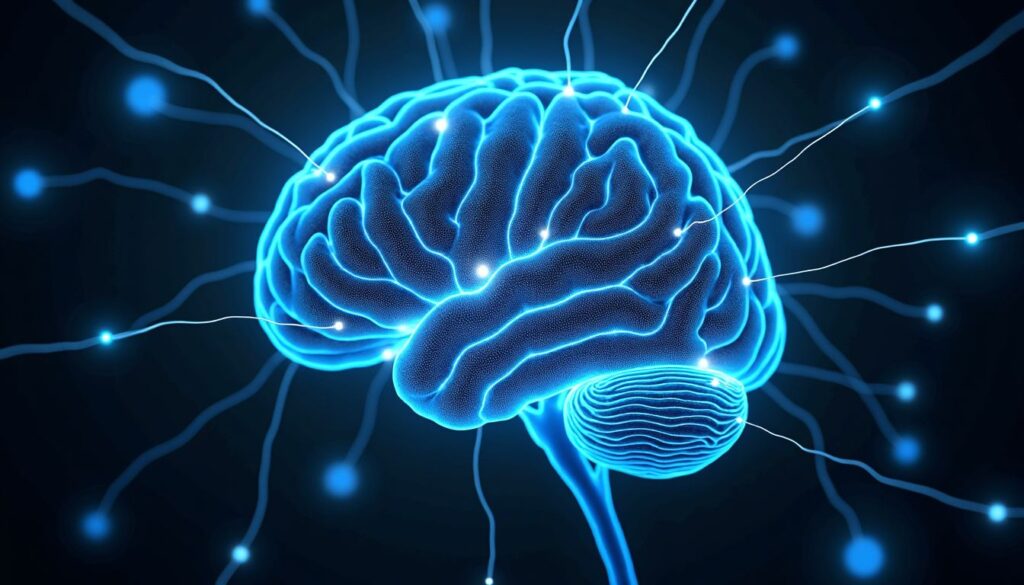
The psychoactive effects of psychedelic mushrooms originate from the interaction of psilocin with the brain’s serotonin system. This interaction triggers a cascade of changes in neural activity and communication, leading to the characteristic alterations in perception and consciousness.
Serotonin receptors (5-HT2A) explained in plain language
Serotonin is a neurotransmitter that plays a vital role in regulating mood, appetite, sleep, and many other physiological processes. It exerts its effects by binding to various receptor proteins located on the surface of neurons. There are at least 14 known types of serotonin receptors, but the one most critical to the psychedelic experience is the 5-HT2A receptor.
Psilocin has a molecular structure very similar to serotonin, allowing it to bind to and activate 5-HT2A receptors. This activation is believed to be the primary trigger for the psychedelic effects of psilocybin-containing mushrooms.
Research indicates a strong correlation between the intensity of the subjective psychedelic experience and the degree to which psilocin occupies 5-HT2A receptors in the brain .
While psilocin also interacts with other serotonin receptors, such as 5-HT1A and 5-HT2C, its action at the 5-HT2A receptor is considered the cornerstone of its psychoactive properties.
[Internal link: Serotonin & 5-HT2A Explained]
Brain networks and the Default Mode Network (DMN) — define terms carefully
The human brain is organized into large-scale networks of brain regions that work together to perform different functions. One of the most studied of these is the Default Mode Network (DMN). The DMN is a network of brain regions that is most active when the mind is at rest, not focused on any particular external task. It is associated with self-referential thoughts, such as daydreaming, recalling memories, and thinking about the future. [Internal link: Brain Regions Glossary]
Research using neuroimaging techniques has shown that psilocybin profoundly alters the activity of the Default Mode Network. Studies suggest that psilocybin decreases the functional connectivity within the DMN, meaning the different parts of this network communicate with each other less. At the same time, it increases the functional connectivity between the DMN and other brain networks that are not normally connected .
This change in communication patterns is thought to underlie the dissolution of the sense of self or “ego” that is often reported during psychedelic experiences. The “REBUS” (Relaxed Beliefs Under Psychedelics) model suggests that by reducing the top-down, inhibitory control of the DMN, psilocybin allows for a more flexible and less constrained style of cognition, where new ideas and perspectives can emerge .
Neuroplasticity — what it is, what it is not, and limits of current evidence
Neuroplasticity is the brain’s fundamental ability to reorganize its structure, function, and connections in response to experience. This can involve the strengthening or weakening of existing synaptic connections, as well as the growth of new ones. Neuroplasticity is the mechanism that underlies learning and memory.
Emerging preclinical research suggests that psilocybin and other psychedelics may promote neuroplasticity. Studies in animal models have shown that a single dose of psilocybin can lead to an increase in the number and size of dendritic spines, which are small protrusions on neurons that receive signals from other neurons .
This suggests a potential for these compounds to facilitate the formation of new neural connections. However, it is crucial to interpret these findings with caution. The evidence is still largely preclinical and correlational. It is not yet clear to what extent these changes occur in the human brain or what their functional significance is.
The idea that psychedelics “regrow brain cells” is a significant oversimplification of the current evidence. While the findings on neuroplasticity are a promising area of research, much more work is needed to understand the mechanisms and their potential therapeutic implications.
What Research Is Studying (What We Know vs What We Don’t)
Scientific research into psilocybin is a rapidly growing field, but it is important to distinguish between established findings, emerging evidence, and hypotheses that are still under investigation. The majority of modern research is focused on understanding psilocybin’s therapeutic potential in controlled clinical settings.
Clinical research areas (depression, PTSD, anxiety) — research framing only
Clinical trials are exploring the potential of psilocybin-assisted therapy for a range of mental health conditions. It is critical to note that in these studies, psilocybin is administered in a controlled environment with psychological support from trained professionals. The findings from this research cannot be generalized to the use of psychedelic mushrooms in uncontrolled settings.
•Depression: The most extensive research has been conducted on treatment-resistant depression (TRD). Several studies, including a phase 2 trial published in the New England Journal of Medicine, have suggested that psilocybin-assisted therapy can produce rapid and sustained antidepressant effects in some individuals . However, the sample sizes in these studies are often small, and more extensive, long-term research is needed.
•Post-Traumatic Stress Disorder (PTSD): Research into psilocybin for PTSD is less developed than for depression. There are ongoing clinical trials investigating its safety and efficacy, but there is currently minimal published evidence to support its use for this condition .
•Anxiety: Some studies have investigated psilocybin for anxiety, particularly in the context of life-threatening illnesses. A systematic review and meta-analysis suggested potential benefits, but the evidence base is still limited .
Methodological limitations, sample size issues, and unanswered questions
While the results of some clinical trials are promising, it is essential to be aware of the significant limitations of the current research. Many studies have small sample sizes, which makes it difficult to draw firm conclusions. A major challenge in psychedelic research is the issue of blinding. In a double-blind trial, neither the participant nor the researcher knows who is receiving the active drug versus a placebo.
Due to the powerful subjective effects of psilocybin, it is very difficult to maintain this blindness, which can introduce bias into the results . Many questions remain unanswered, including the optimal dosing, the long-term effects, and which individuals are most likely to benefit or be harmed.
Risks, Side Effects, and Contraindications
A comprehensive understanding of psychedelic mushrooms requires a clear-eyed view of the potential risks and adverse effects. This section is for educational purposes only and is not a substitute for professional medical advice.
[Internal link: Contraindications & Interactions Hub]
Common short-term adverse effects (e.g., nausea, anxiety, confusion)
Even in controlled clinical settings, adverse effects are common. A systematic review and meta-analysis published in JAMA Network Open found that the most frequent acute adverse effects include headache, nausea, anxiety, dizziness, and increased blood pressure . These effects are typically transient and resolve within 24-48 hours. Other commonly reported effects include confusion, paranoia, and fear. See Purging or La Purga
Psychological risks and vulnerability in certain populations
The most significant risks associated with psilocybin are psychological. While the experience can be positive for some, it can also be intensely challenging and distressing, sometimes referred to as a “bad trip.” This can involve overwhelming anxiety, paranoia, and a loss of contact with reality.
Individuals with a personal or family history of psychotic disorders, such as schizophrenia, are thought to be at a particularly high risk for adverse psychological outcomes. For this reason, they are typically excluded from clinical trials.
Medical risks (e.g., cardiovascular stress, seizure disorders — high-level)
Psilocybin can cause significant, though usually temporary, increases in heart rate and blood pressure . For individuals with pre-existing cardiovascular conditions, this could pose a serious risk. High doses have been linked in some reports to more severe cardiovascular events, although this is not a common finding in clinical trials. There is also a theoretical risk for individuals with seizure disorders, and they are typically excluded from research studies.
Interactions and serotonergic risk (introduce serotonin syndrome concept without dosing)
Combining psilocybin with other substances that affect the serotonin system can be dangerous. Serotonin syndrome is a potentially life-threatening condition caused by excessive serotonin activity in the nervous system. Taking psilocybin concurrently with certain medications, such as some antidepressants (e.g., MAOIs), can increase this risk. It is crucial for individuals to be aware of potential drug interactions.
Red-flag symptoms — when urgent medical attention is required
While rare, some situations require immediate medical attention. These include, but are not limited to:
•Seizures
•Loss of consciousness
•Symptoms of serotonin syndrome (e.g., high fever, agitation, rapid heart rate, muscle rigidity)
•Prolonged psychosis (loss of contact with reality)
•Suicidal thoughts or behaviors
Purging, Nausea, and the Body’s Stress Response
Nausea and vomiting are among the most commonly reported physical side effects of ingesting psychedelic mushrooms. Understanding the physiological basis for this response is key to demystifying it.
Physiological mechanisms (vagus nerve, emetic response)
The gastrointestinal (GI) tract is rich in serotonin receptors, and over 95% of the body’s serotonin is located in the gut. When psilocin binds to these receptors, it can stimulate the vagus nerve, a long cranial nerve that plays a crucial role in communication between the gut and the brain.
This stimulation can trigger the body’s emetic (vomiting) response, which is a protective mechanism to expel potential toxins. The area of the brainstem that controls vomiting, the chemoreceptor trigger zone, is also sensitive to substances in the bloodstream, and psilocin can act on this area as well.
Cultural interpretations vs biological explanations (clearly separated)
In some cultural or ceremonial contexts, the experience of purging (vomiting or diarrhea) is interpreted as a cleansing or purification process, either physical or spiritual. From a purely biological perspective, however, this response is understood as a physiological reaction to the activation of specific serotonin pathways in the gut and brain.
It is the body’s natural defense mechanism at work, not necessarily a sign of spiritual or psychological release. While these cultural interpretations exist, the scientific explanation is grounded in the known pharmacology of psilocin and its effects on the gastrointestinal and nervous systems.
Common Myths vs Evidence
Misinformation about psychedelic mushrooms is common. This section aims to address some prevalent myths with evidence-based explanations.
“Regrows brain tissue” — cautious, evidence-based clarification
This is a significant oversimplification of a complex area of research. As discussed in the section on neuroplasticity, some preclinical studies in animals have suggested that psilocybin can promote the growth of new dendritic spines and synapses. This is not the same as “regrowing brain tissue” or creating new neurons (neurogenesis).
While these findings are a promising avenue for research into how psychedelics might facilitate therapeutic change, the evidence is still preliminary. The extent to which these micro-level changes translate to meaningful, long-term structural changes in the human brain is not yet known.
“Detox” claims — explain liver and kidney function scientifically
The idea that psychedelic mushrooms “detoxify” the body is not supported by scientific evidence. The body has its own highly efficient detoxification systems, primarily the liver and kidneys. The liver metabolizes psilocybin into psilocin and then further breaks it down into inactive compounds that can be excreted.
The kidneys filter waste products from the blood and excrete them in urine. The experience of purging or nausea is a physiological response to the activation of serotonin receptors in the gut, not a sign of the body expelling toxins in the way that is often implied by the term “detox.”
How to Read Psychedelic Mushroom Content Responsibly
Navigating the vast amount of information available online about psychedelic mushrooms can be challenging. It is crucial to approach the topic with a critical and discerning mindset.
Research evidence vs anecdotes
It is important to distinguish between scientific evidence and personal anecdotes. Scientific evidence is derived from controlled studies that are designed to minimize bias and test a specific hypothesis. Anecdotes are individual stories and experiences. While anecdotes can be compelling, they are not a reliable source of information about the effects, safety, or efficacy of any substance.
An individual’s experience is highly subjective and can be influenced by countless factors, including their mindset, environment, and unique physiology. This website is committed to providing information that is grounded in scientific research.
Why legality varies and why this site avoids instructions entirely
The legal status of psilocybin and psilocybin-containing mushrooms varies significantly around the world and even within countries. They are classified as a controlled substance in many jurisdictions. This website does not provide any information on the legality of psychedelic mushrooms, nor does it offer any instructions or guidance on how to obtain, prepare, or use them.
Our focus is strictly educational and is intended to provide a neutral, evidence-based overview of the scientific understanding of these compounds.
Frequently Asked Questions
1. What are psychedelic mushrooms?
Psychedelic mushrooms are fungi that contain the psychoactive compound psilocybin, which is converted to psilocin in the body. They are not a single species but a group of mushrooms from various genera that produce these compounds.
2. How do psychedelic mushrooms work?
The active compound, psilocin, primarily interacts with serotonin 2A (5-HT2A) receptors in the brain. This alters normal brain communication patterns, particularly in a network called the Default Mode Network (DMN), leading to changes in perception, thought, and mood.
3. What is the Default Mode Network (DMN)?
The DMN is a network of brain regions that is most active during periods of rest and self-referential thought, such as daydreaming or recalling memories. Research suggests psilocybin disrupts the normal patterns of activity in this network.
4. Is research looking into medical uses for psilocybin?
Yes, there is a growing body of research into the potential therapeutic applications of psilocybin-assisted therapy for conditions such as treatment-resistant depression and anxiety related to life-threatening illnesses. However, this research is still in its early stages, and psilocybin is not an approved medical treatment.
5. What are the main risks of psychedelic mushrooms?
The most significant risks are psychological, including the potential for distressing experiences (anxiety, paranoia) and, in rare cases, prolonged psychosis, particularly in vulnerable individuals. Physical risks include increased heart rate and blood pressure.
6. Can you identify psychedelic mushrooms by their appearance?
No. It is extremely dangerous to attempt to identify any mushroom by its appearance alone. Many poisonous mushrooms look very similar to psychedelic varieties, and misidentification can be fatal.
7. What is neuroplasticity, and how does it relate to psilocybin?
Neuroplasticity is the brain’s ability to form new connections and reorganize itself. Some preclinical research suggests that psilocybin may promote neuroplasticity, but the significance of these findings for humans is not yet clear.
8. Why do psychedelic mushrooms cause nausea?
Nausea is a common side effect and is thought to be caused by the activation of serotonin receptors in the gastrointestinal tract, which can stimulate the vagus nerve and the body’s natural vomiting response.
9. What is serotonin syndrome?
Serotonin syndrome is a potentially dangerous condition caused by excessive serotonin activity. It can occur if psilocybin is combined with other substances that increase serotonin levels, such as certain antidepressant medications.
10. Is this article providing medical advice?
No. This article is for educational and informational purposes only. It is not a substitute for professional medical, psychological, or legal advice. Always consult with a qualified professional for any health concerns or before making any decisions related to your health or well-being.
References
[Internal link: History of Psychedelic Mushrooms]
[Internal link: Sleep Science Hub]
Educational Disclaimer
This article is for educational purposes only and is not intended to provide medical, psychological, or legal advice. The information presented here is a summary of scientific research and should not be interpreted as a recommendation or endorsement of the use of any substance.
The content of this article is not a substitute for professional medical advice, diagnosis, or treatment. Always seek the advice of your physician or other qualified health provider with any questions you may have regarding a medical condition.
Never disregard professional medical advice or delay in seeking it because of something you have read on this website. Readers should consult qualified professionals for any personal decisions regarding their health, well-being, or legal standing.