Neuroplasticity: Definition, Mechanisms, and What Neuroscience Research Shows
Introduction The human brain is a remarkably adaptive organ, constantly adjusting to a relentless stream of experiences, environmental cues, and internal signals. This capacity for change is not a sign of defect or injury, but a fundamental property of the nervous system essential for learning, memory, and development. The scientific framework for understanding these changes […]
Psilocybin and Psilocin: Chemical Structure, Metabolism, and What Research Shows
In the field of neuropharmacology, the distinction between a parent compound and its metabolites is crucial for understanding how substances interact with the body. A parent compound, as administered, may be inactive or have different properties than the resulting molecules produced after metabolic processes occur. This principle is central to understanding the relationship between psilocybin […]
Vagus Nerve: Anatomy, Autonomic Regulation, and What Neuroscience Shows
Introduction The vagus nerve, designated as cranial nerve X, stands as the longest and most functionally diverse of the twelve cranial nerves. Its name, derived from the Latin term for “wandering,” aptly reflects its extensive and intricate course throughout the body, forming a critical communication superhighway between the brain and numerous vital organs. As a […]
The 5-HT2A Receptor: Function, Neuroscience, and Research Context
Serotonin receptors are a diverse family of proteins found throughout the central nervous system and the periphery, playing a crucial role in a wide array of physiological and psychological processes. These receptors are the primary targets of the neurotransmitter serotonin, also known as 5-hydroxytryptamine (5-HT). The effects of serotonin are mediated by at least 14 […]
The Blood Brain Barrier: Structure, Function, and Scientific Significance
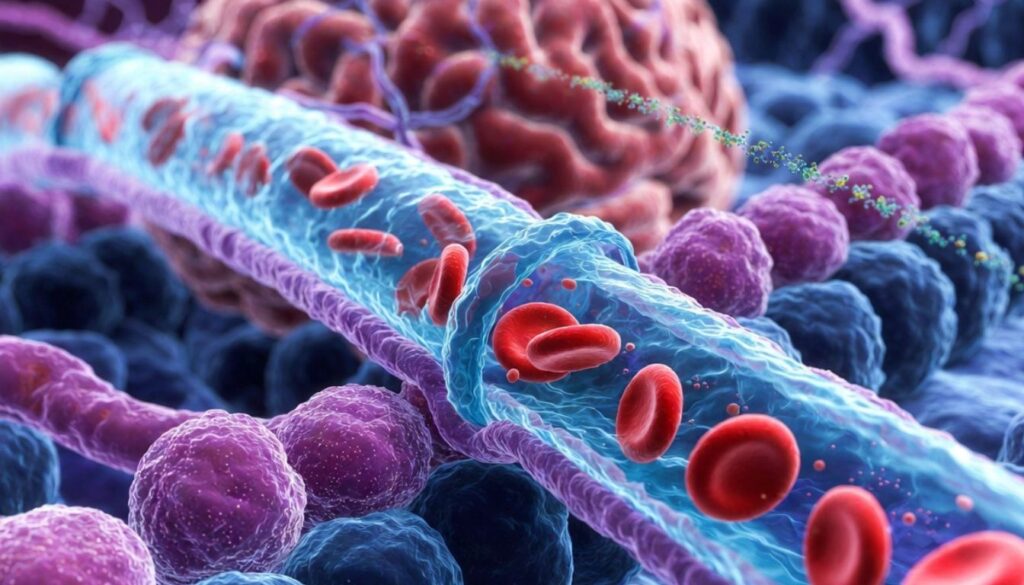
The blood–brain barrier (BBB) is a highly selective, semipermeable border of endothelial cells that prevents solutes in the circulating blood from non-selectively crossing into the extracellular fluid of the central nervous system (CNS) where neurons reside . This intricate cellular system is a critical component of neuroprotection, meticulously regulating the passage of substances to maintain the […]
Brain Regions: Structure, Function, and Scientific Classification
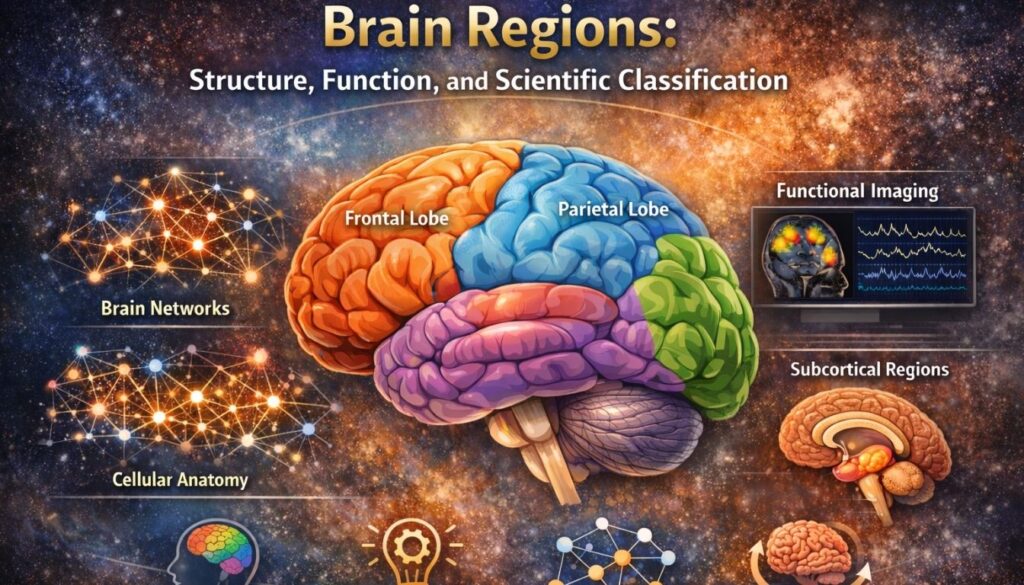
Table of Contents Introduction The term “brain regions” is a fundamental concept in neuroscience, referring to distinct areas of the brain that are structurally and functionally specialized. Scientifically, a brain region is a defined volume of brain tissue characterized by its unique cellular architecture, connectivity, and physiological role. These regions are not isolated units but […]
Serotonin and Serotonin Receptors: Biology, Metabolism, and Brain Function
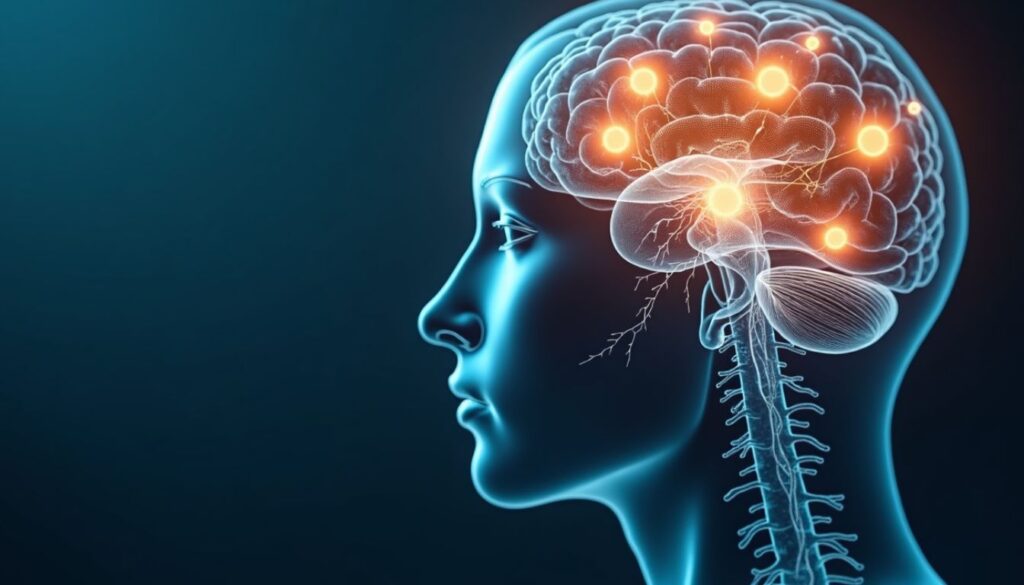
Table of Contents What Is Serotonin? Serotonin, chemically known as 5-hydroxytryptamine (5-HT), is a crucial monoamine neurotransmitter that plays a multifaceted role in both the central and peripheral nervous systems. Derived from the essential amino acid tryptophan, serotonin is integral to a vast array of physiological and psychological processes . While it is widely recognized for […]
The Parasympathetic Nervous System: Structure, Function, and Physiological Role
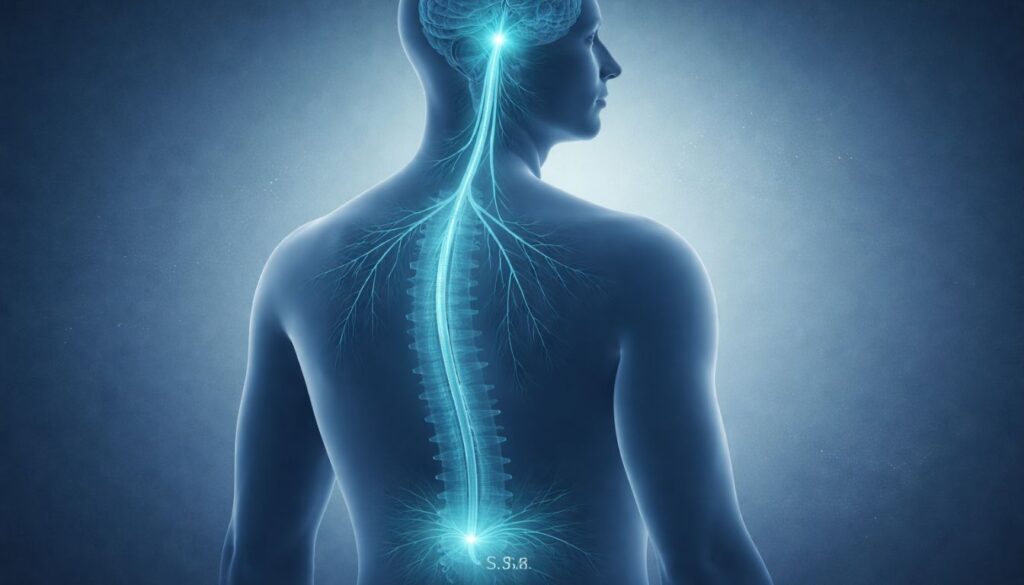
Table of Contents The parasympathetic nervous system (PNS) represents one of the two primary divisions of the autonomic nervous system (ANS), the intricate network responsible for regulating the body’s involuntary functions. Working in concert with its counterpart, the sympathetic nervous system (SNS), the PNS is instrumental in maintaining the body’s internal balance, a state known […]