Serotonin and Serotonin Receptors: Biology, Metabolism, and Brain Function
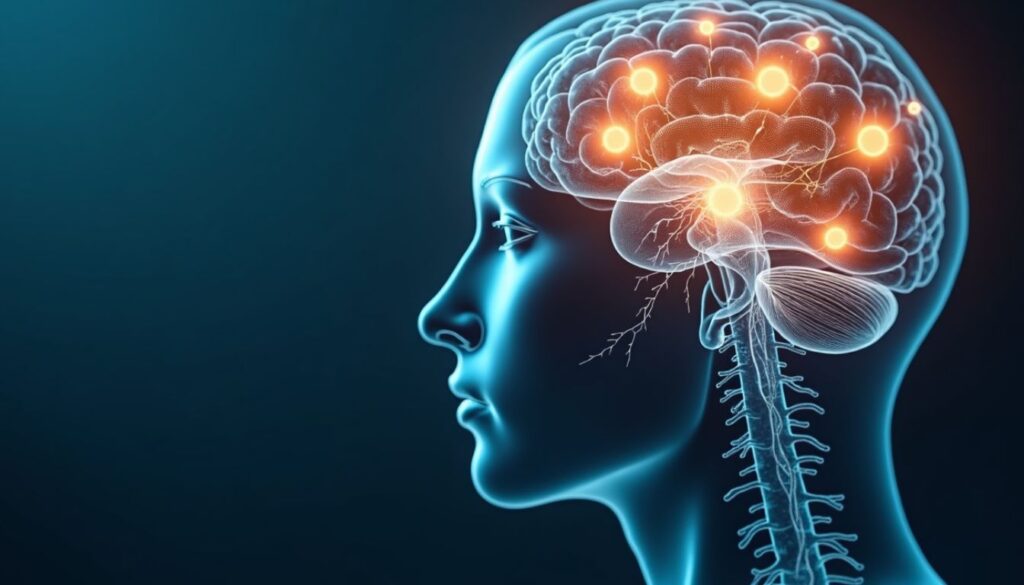
Table of Contents What Is Serotonin? Serotonin, chemically known as 5-hydroxytryptamine (5-HT), is a crucial monoamine neurotransmitter that plays a multifaceted role in both the central and peripheral nervous systems. Derived from the essential amino acid tryptophan, serotonin is integral to a vast array of physiological and psychological processes . While it is widely recognized for […]
Serotonin Syndrome: A Clinical and Pharmacological Overview
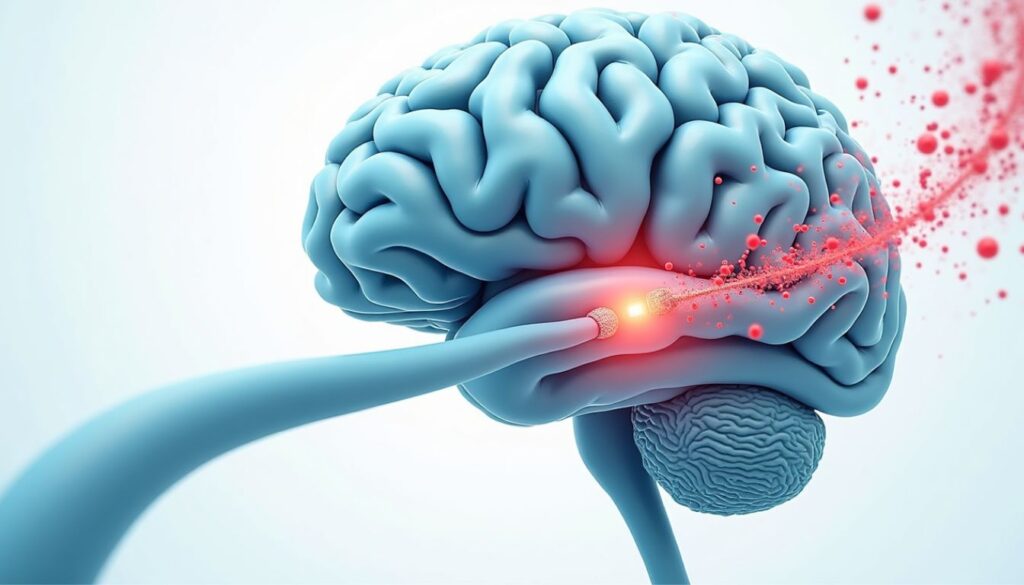
Table of Contents Serotonin syndrome, a condition more precisely termed serotonin toxicity, represents a critical and potentially life-threatening toxidrome resulting from an excess of serotonergic activity in the central and peripheral nervous systems. This state is not an idiopathic illness but rather a direct consequence of iatrogenic, accidental, or intentional exposure to substances that increase […]
The Parasympathetic Nervous System: Structure, Function, and Physiological Role
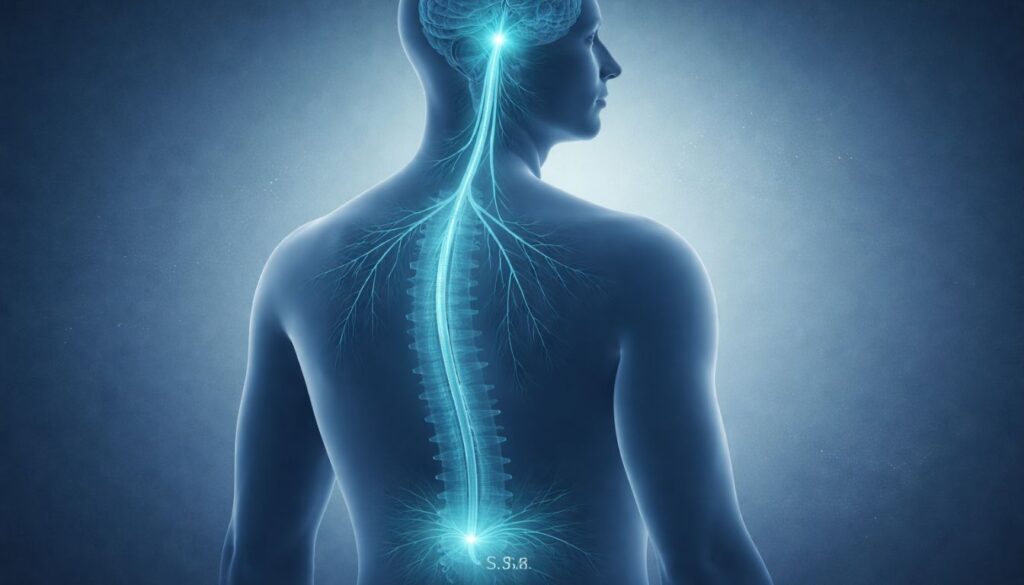
Table of Contents The parasympathetic nervous system (PNS) represents one of the two primary divisions of the autonomic nervous system (ANS), the intricate network responsible for regulating the body’s involuntary functions. Working in concert with its counterpart, the sympathetic nervous system (SNS), the PNS is instrumental in maintaining the body’s internal balance, a state known […]
Default Mode Network (DMN): Definition, Brain Regions, and What Neuroscience Research Shows
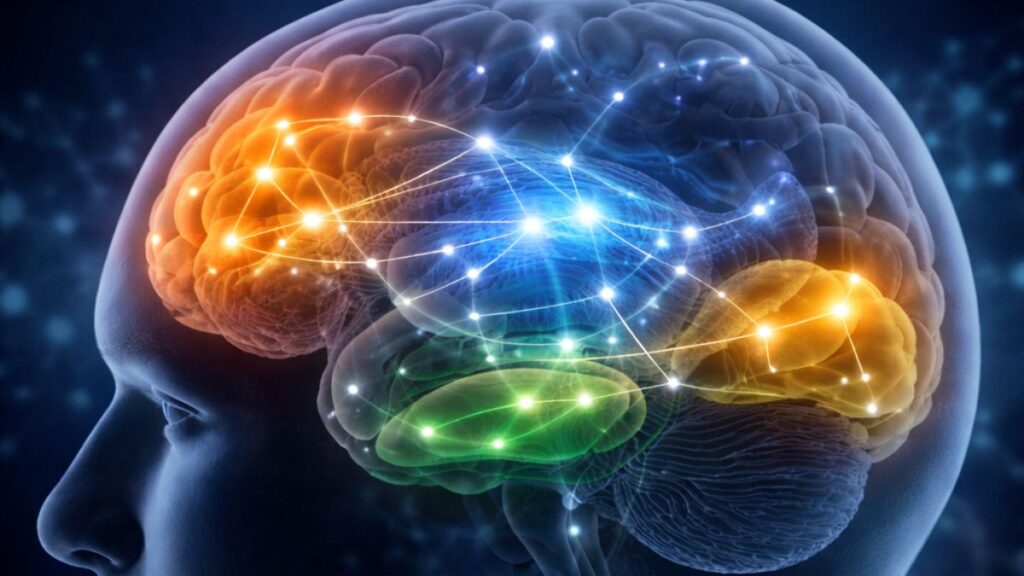
Table of Contents Introduction In the quest to understand the human brain, neuroscience has increasingly shifted its focus from studying isolated brain regions to examining large-scale, interconnected brain networks. This network-based approach recognizes that complex cognitive functions emerge from the coordinated activity of multiple, spatially distributed brain areas working in concert. A foundational concept in this […]