Neuroplasticity: Definition, Mechanisms, and What Neuroscience Research Shows
Introduction The human brain is a remarkably adaptive organ, constantly adjusting to a relentless stream of experiences, environmental cues, and internal signals. This capacity for change is not a sign of defect or injury, but a fundamental property of the nervous system essential for learning, memory, and development. The scientific framework for understanding these changes […]
The Blood Brain Barrier: Structure, Function, and Scientific Significance
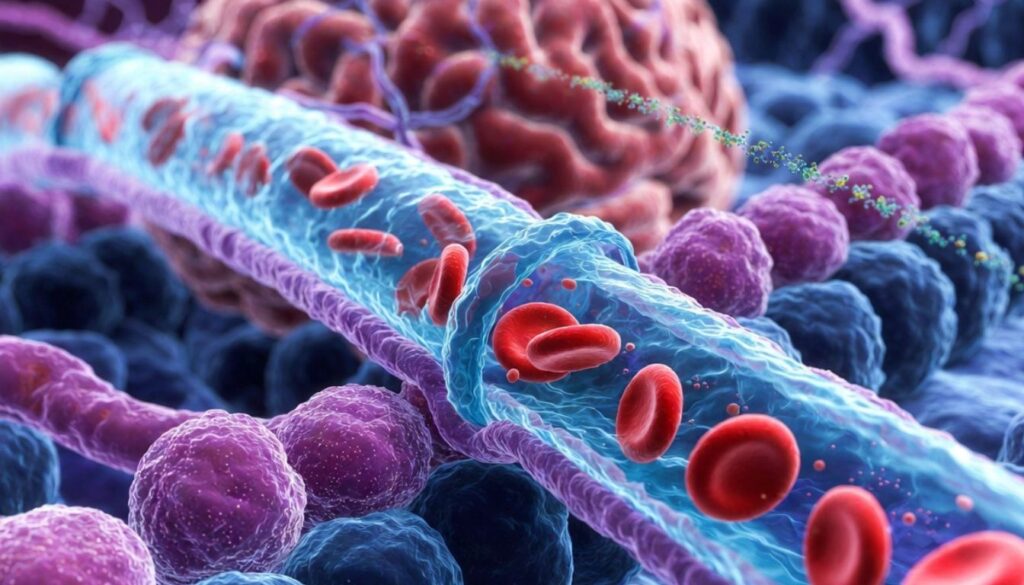
The blood–brain barrier (BBB) is a highly selective, semipermeable border of endothelial cells that prevents solutes in the circulating blood from non-selectively crossing into the extracellular fluid of the central nervous system (CNS) where neurons reside . This intricate cellular system is a critical component of neuroprotection, meticulously regulating the passage of substances to maintain the […]
Brain Regions: Structure, Function, and Scientific Classification
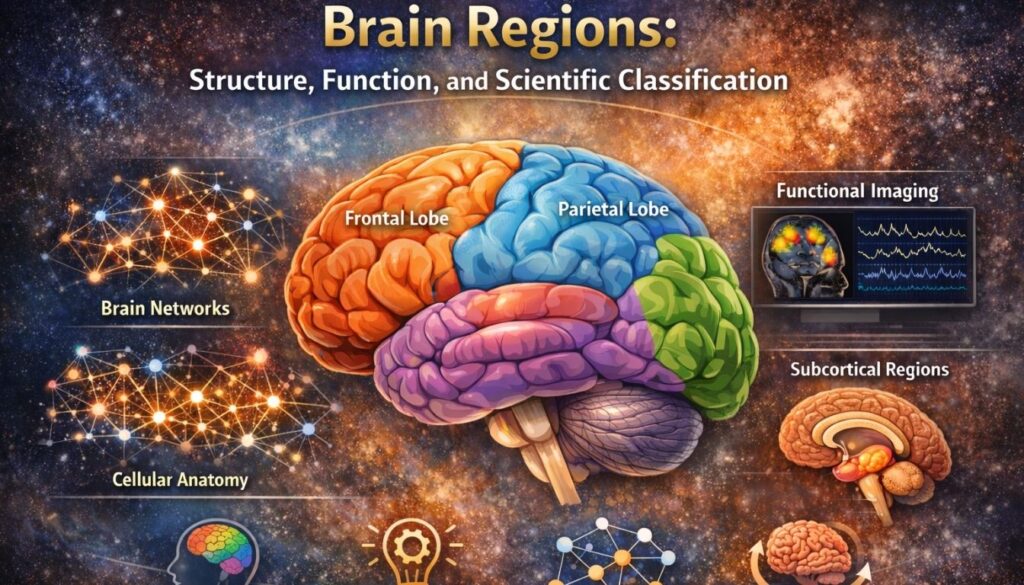
Table of Contents Introduction The term “brain regions” is a fundamental concept in neuroscience, referring to distinct areas of the brain that are structurally and functionally specialized. Scientifically, a brain region is a defined volume of brain tissue characterized by its unique cellular architecture, connectivity, and physiological role. These regions are not isolated units but […]
Serotonin and Serotonin Receptors: Biology, Metabolism, and Brain Function
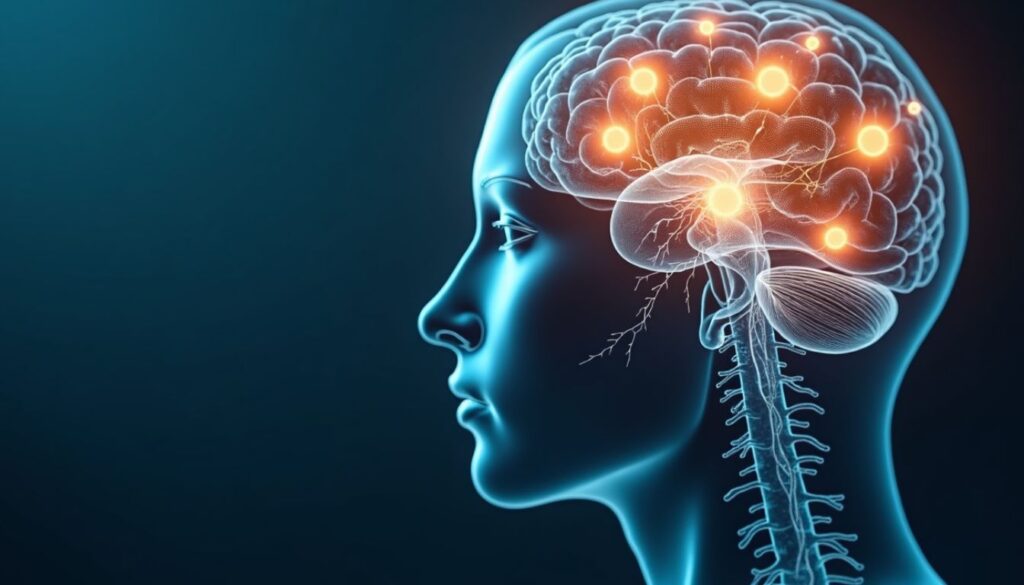
Table of Contents What Is Serotonin? Serotonin, chemically known as 5-hydroxytryptamine (5-HT), is a crucial monoamine neurotransmitter that plays a multifaceted role in both the central and peripheral nervous systems. Derived from the essential amino acid tryptophan, serotonin is integral to a vast array of physiological and psychological processes . While it is widely recognized for […]
Serotonin Syndrome: A Clinical and Pharmacological Overview
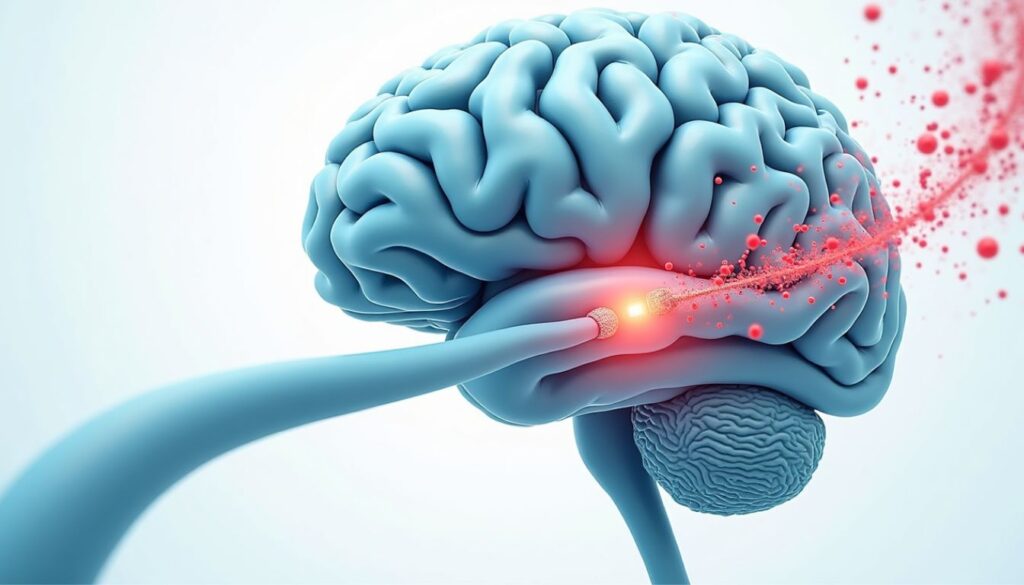
Table of Contents Serotonin syndrome, a condition more precisely termed serotonin toxicity, represents a critical and potentially life-threatening toxidrome resulting from an excess of serotonergic activity in the central and peripheral nervous systems. This state is not an idiopathic illness but rather a direct consequence of iatrogenic, accidental, or intentional exposure to substances that increase […]
Norpsilocin: A Pharmacological Overview of a Psilocybin Metabolite
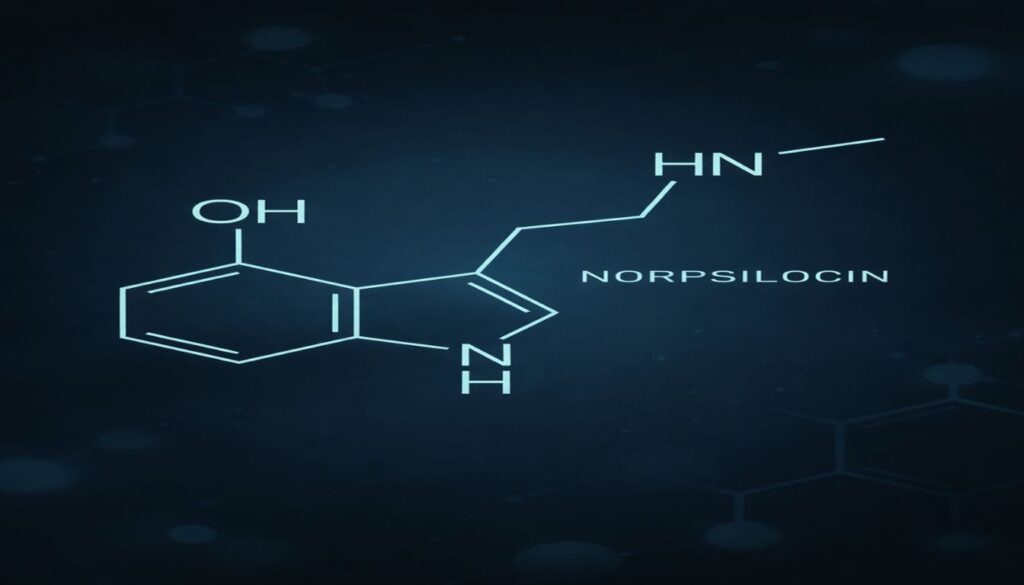
Table of Contents Norpsilocin is an indoleamine alkaloid and a metabolite of the psychedelic compound psilocybin. While its parent compounds, psilocybin and psilocin, are widely recognized in both scientific and popular discourse, norpsilocin remains a subject primarily confined to specialized pharmacological research. As a structural analog of the neurotransmitter serotonin, it offers a unique case […]