This glossary provides clear, evidence-based definitions of key terms used throughout Mind & Mycelium. The entries focus on neuroscience, mycology, psychedelics, sleep science, and related research fields, using language that is precise, accessible, and grounded in current scientific understanding.

The purpose of this glossary is educational clarity. Many terms in neuroscience and psychedelic research are frequently oversimplified, misused, or taken out of context in popular media. Each definition here is intended to reflect how these concepts are used in academic research, not how they are portrayed in self-help, wellness marketing, or anecdotal discussions.

Where appropriate, glossary entries explain how a term is studied, what it is commonly associated with in research, and what it does not mean. This approach helps readers distinguish between established scientific concepts, ongoing research questions, and unsupported claims.

This glossary does not provide medical, psychological, or therapeutic advice, nor does it offer guidance on the use of any substance or intervention. It is designed as a reference tool to support informed reading of the articles on this site and to encourage responsible engagement with scientific information.

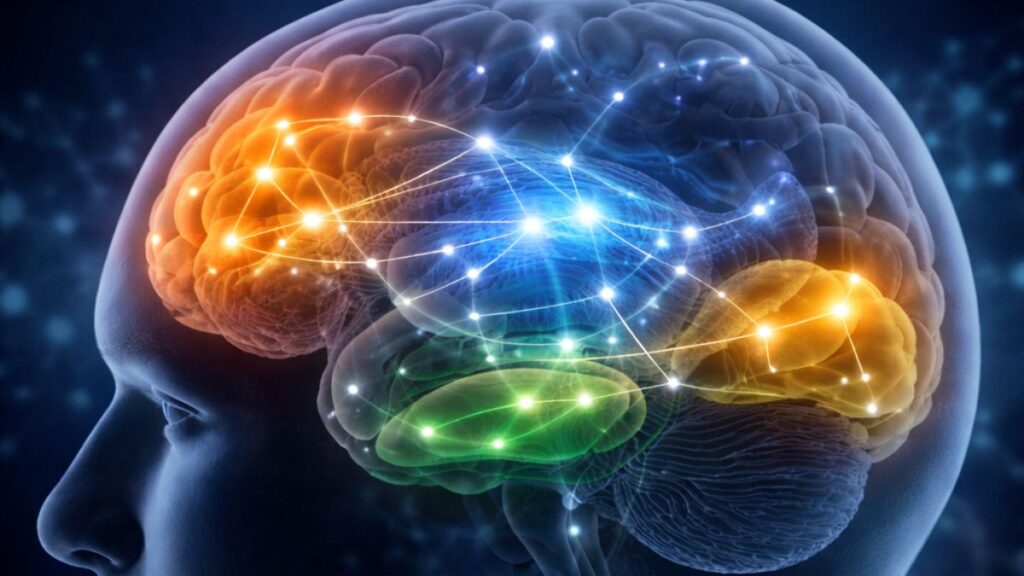
Default Mode Network

Default Mode Network (DMN)
An evidence-based overview of the Default Mode Network, explaining what it is, which brain regions are involved, how it is studied in neuroscience research, and how it is commonly misunderstood in popular media.
Read more →

Norpsilocin

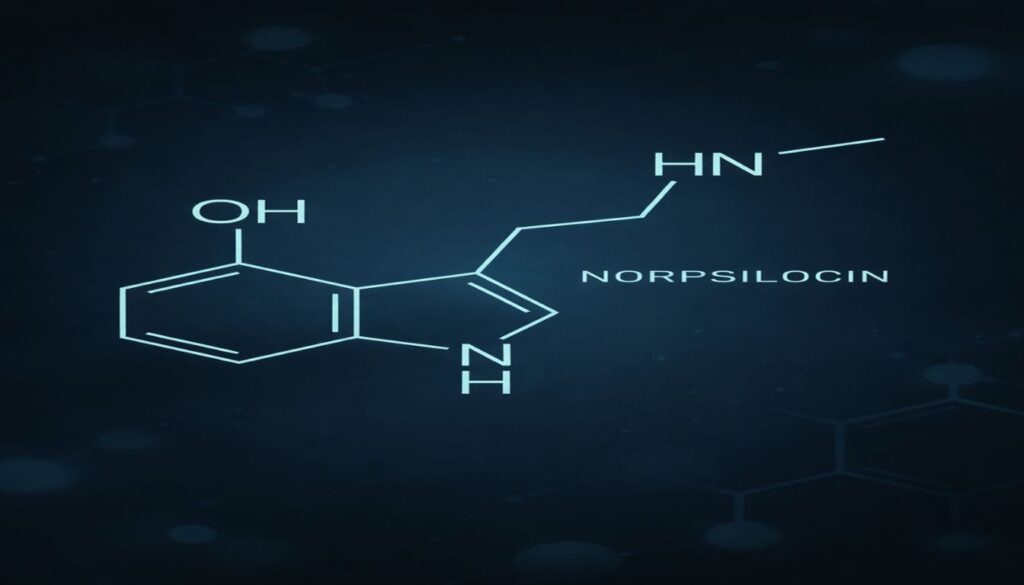
Chemically accurate structural formula of norpsilocin (4-hydroxy-N-methyltryptamine) shown as a scientific molecular diagram on a dark background.

Norpsilocin
An evidence-based overview of norpsilocin, a psilocin metabolite, explaining its chemical structure, metabolic formation, receptor activity, and why limited blood–brain barrier permeability affects its central nervous system activity.
Read more →

Parasympathetic Nervous System (PNS)

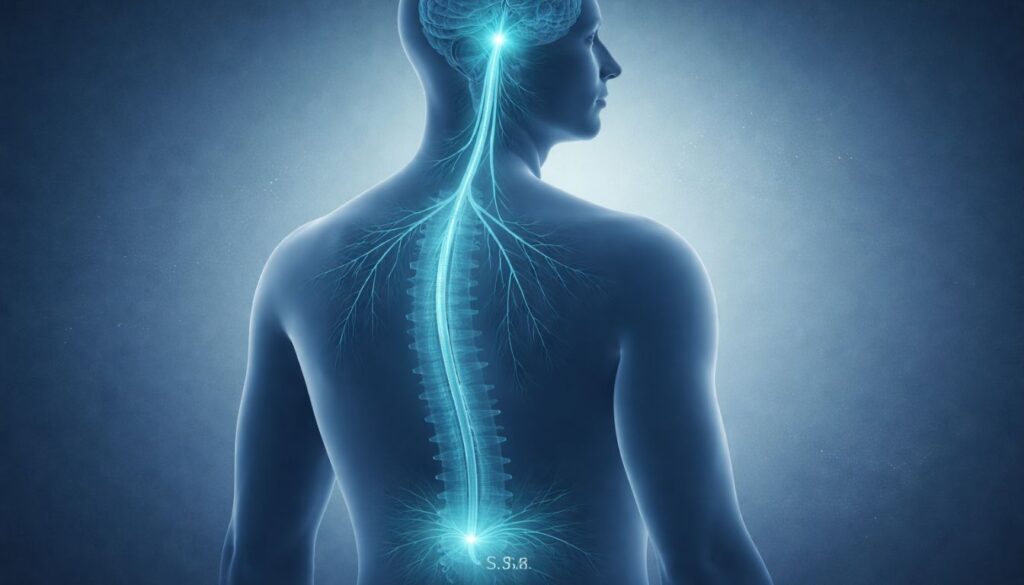
Medical illustration of the parasympathetic nervous system showing craniosacral outflow pathways extending from the brainstem and sacral spinal cord to internal organs.

Parasympathetic Nervous System (PNS)

An evidence-based overview of the parasympathetic nervous system, explaining its craniosacral anatomy, role in autonomic regulation, vagal tone, and physiological recovery processes.
Read more →

Serotonin Syndrome

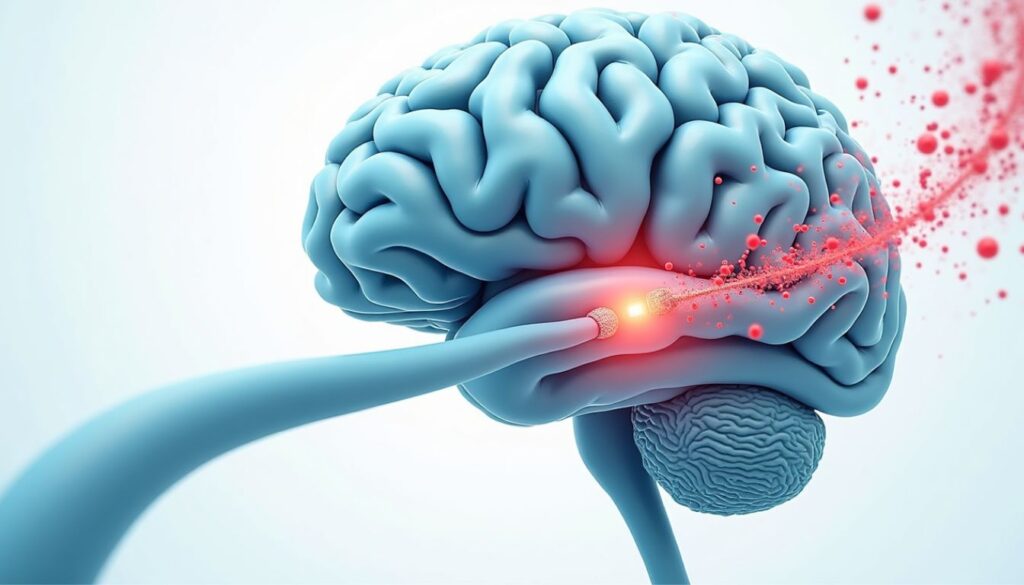
Medical illustration of a human brain with red particles representing excessive serotonin activity crossing a synapse, symbolizing serotonin syndrome.

Serotonin Syndrome


A clinical overview of serotonin syndrome (serotonin toxicity), explaining its pharmacological mechanisms, core diagnostic features, and risks associated with excessive serotonergic activity.
Read more →

Serotonin and Serotonin Receptors

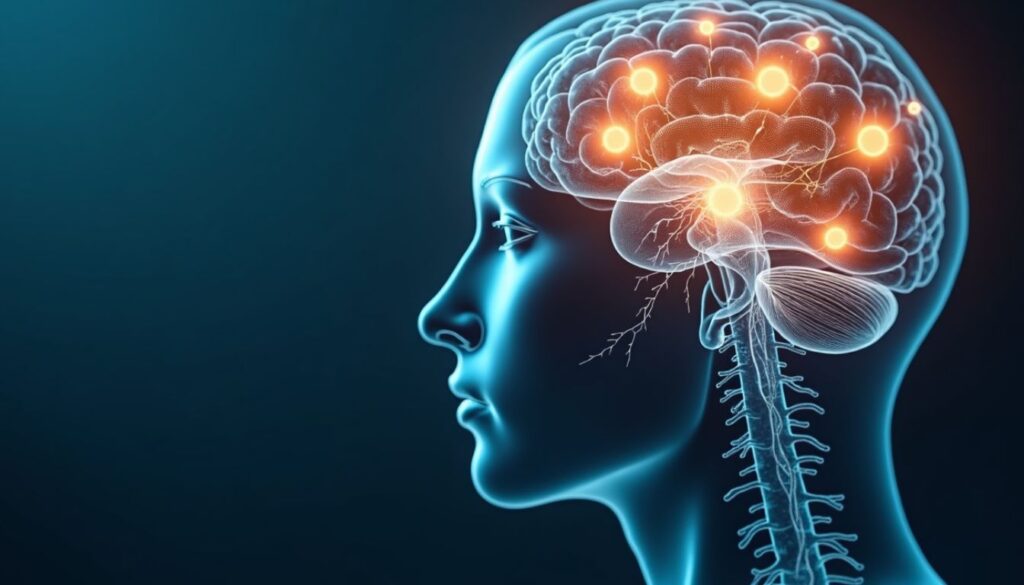
Digital illustration of the human brain highlighting serotonin signaling pathways and receptor activity in cortical regions.

Serotonin and Serotonin Receptors


An evidence-based overview of serotonin biology, explaining how serotonin is synthesized, how serotonin receptors function, how it is metabolized, and its role in brain circuits and systemic physiology.
Read more →

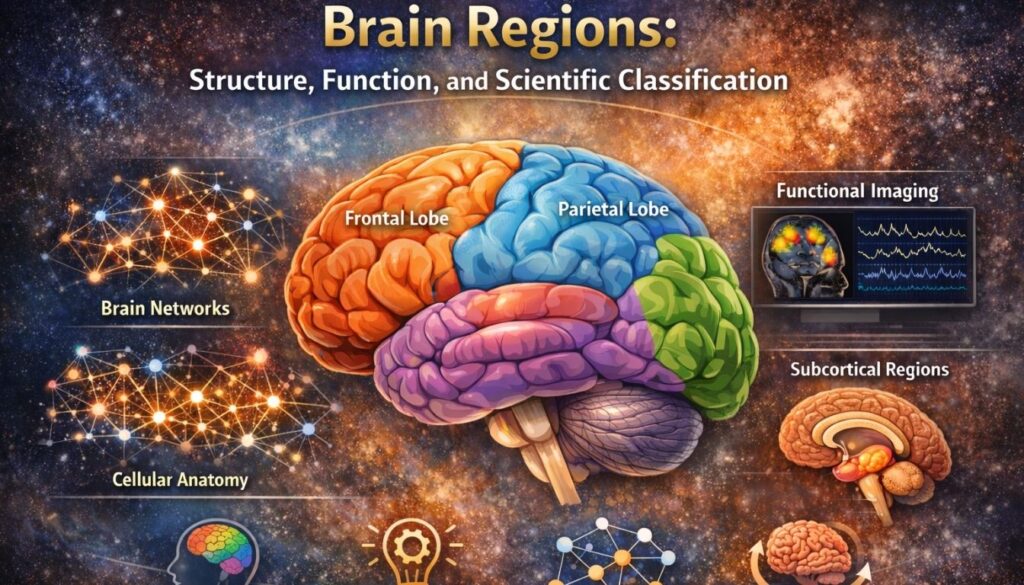
Brain Regions

Illustration of major brain regions including frontal, parietal, temporal, and occipital lobes with network connectivity background.

Brain Regions


A structured overview explaining how neuroscientists define and classify brain regions, covering cortical lobes, subcortical structures, large-scale brain networks, and the limits of region-based models.
Read more →